
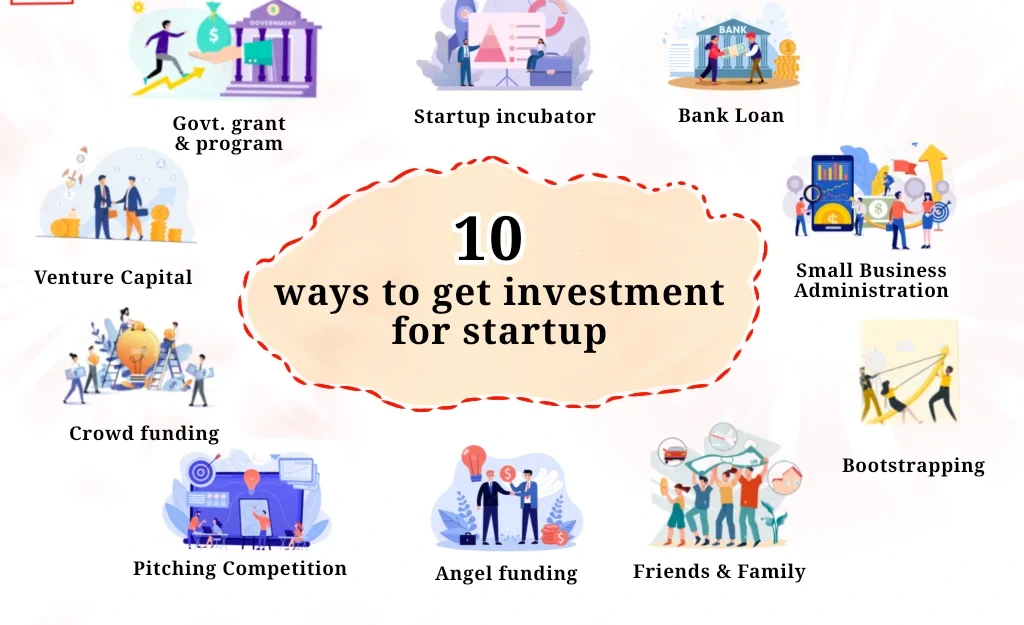
Startups are often where innovation begins. Many of today’s biggest companies started as small startup ideas that needed funding to grow. Because of this, more people are now interested in learning how to invest in startups and potentially benefit from their growth.
If you have ever wondered how early investors made massive returns from companies like Uber, Airbnb, or Facebook, the answer often lies in startup investing.
However, startup investing is not just about luck. It requires knowledge, strategy, patience, and understanding of the risks involved.
In this complete guide, you will learn:
- What it means to invest in startups
- Why startup investing is becoming popular
- Different ways beginners can invest in startups
- Risks and rewards of startup investing
- Tips to invest in startups successfully in 2026
Let’s begin.
What Does It Mean to Invest in Startups?
Investing in startups means putting money into a new or early-stage business in exchange for ownership (equity) or potential future financial returns.
Unlike traditional stock investments, where you buy shares of established companies, startup investing usually happens before a company becomes public.
When you invest in startups, your goal is to support a promising business early and benefit if the company grows significantly.
For example, early investors in Amazon and Google invested when these companies were still small startups. Over time, those investments became extremely valuable.
However, not all startups succeed. Some fail, which makes this investment both high-risk and high-reward.
Why More People Want to Invest in Startups

Over the last decade, startup investing has become more accessible to everyday investors. Previously, only venture capitalists and wealthy individuals could invest in startups.
Today, thanks to online platforms and crowdfunding, more people can invest in startups with smaller amounts.
Here are some reasons why startup investing is growing in popularity:
1. Potential for High Returns
One of the biggest reasons people invest in startups is the potential for massive returns.
For example, early investors in Tesla saw huge gains as the company grew into one of the world’s most valuable automotive brands.
If a startup becomes successful, early investors may receive 10x, 50x, or even 100x returns.
2. Supporting Innovation
When you invest in startups, you help entrepreneurs build new products, technologies, and services.
Many startups are working on solutions in areas like:
- Artificial intelligence
- Renewable energy
- Health technology
- Fintech
- E-commerce
Your investment can support innovation that shapes the future.
3. Portfolio Diversification
Investing in startups can diversify your investment portfolio.
Instead of investing only in traditional assets like stocks or real estate, startups offer alternative investment opportunities.
4. Access Through Online Platforms
Crowdfunding and startup investment platforms have made it easier for beginners to invest in startups with relatively small amounts.
This has opened startup investing to a much wider audience.
Different Ways to Invest in Startups
There are several methods investors use to invest in startups. Each method has different requirements, risks, and potential rewards.
Let’s explore the most common options.
1. Angel Investing
Angel investors are individuals who provide funding to early-stage startups in exchange for equity.
Angel investing typically happens during the seed stage, when startups need capital to develop products or expand.
Angel investors often invest anywhere from $5,000 to $100,000 or more, depending on the opportunity.
Many successful entrepreneurs have become angel investors after building their own companies.
2. Venture Capital Funds
Another way to invest in startups is through venture capital (VC) funds.
Venture capital firms pool money from multiple investors and use that capital to fund startups with high growth potential.
Some well-known venture capital firms include:
- Sequoia Capital
- Andreessen Horowitz
- Accel
However, VC funds usually require large investments, which may not be accessible to beginners.
3. Startup Crowdfunding Platforms
Startup crowdfunding platforms allow everyday investors to invest smaller amounts in startups.
These platforms connect entrepreneurs with potential investors online.
Popular platforms include:
- SeedInvest
- Republic
- StartEngine
With crowdfunding, you can sometimes invest in startups with as little as $100.
This makes startup investing more accessible to beginners.
4. Startup Accelerators and Incubators
Accelerators and incubators help startups grow by providing funding, mentorship, and resources.
Some famous startup accelerators include:
- Y Combinator
- Techstars
Investors sometimes participate in these programs or invest in companies that graduate from them.
Startups coming from reputable accelerators often attract significant investor attention.
How to Evaluate a Startup Before Investing
Before you invest in startups, it’s important to evaluate the business carefully.
Here are some key factors investors consider.
1. The Founding Team
A strong founding team is often the most important factor in startup success.
Look for founders who have:
- Industry experience
- Leadership skills
- Passion for solving the problem
- A clear vision for the company
Many investors say they invest in founders first, ideas second.
2. Market Opportunity
A startup should operate in a large and growing market.
If the market is too small, even a great product may struggle to generate significant returns.
Investors often ask:
- How big is the potential market?
- Is the industry growing?
- Are there strong customer demands?
3. Unique Product or Technology
Successful startups usually offer something different from existing solutions.
This could be:
- A new technology
- A better business model
- A unique product
- A faster or cheaper solution
The more unique the solution, the stronger the startup’s competitive advantage.
4. Business Model
A startup must have a clear way to generate revenue.
Look for answers to questions like:
- How will the company make money?
- What are the revenue streams?
- Is the business scalable?
A strong business model increases the chances of long-term success.
5. Traction and Growth
Traction means evidence that the startup is gaining momentum.
Examples of traction include:
- Growing user base
- Increasing revenue
- Strong partnerships
- Positive customer feedback
Even early-stage startups should show some form of progress.
Risks of Startup Investing
While many people want to invest in startups, it’s important to understand the risks involved.
Startup investing can be highly unpredictable.
Here are some key risks.
1. High Failure Rate
Many startups fail within the first few years.
Even promising ideas may fail due to:
- Poor management
- Lack of funding
- Market competition
- Product issues
Because of this, investors usually spread their money across multiple startups.
2. Illiquid Investments
Startup investments are not easily sold.
Unlike stocks, you cannot quickly sell your shares.
You may need to wait 5 to 10 years for an exit event, such as:
- Acquisition
- IPO
3. Dilution
As startups raise more rounds of funding, early investors may experience dilution.
This means their ownership percentage decreases over time as new investors join.
Potential Rewards of Startup Investing
Despite the risks, many investors are drawn to startup investing for its potential rewards.
Here are some key benefits.
1. Massive Return Potential
If you invest in startups that succeed, returns can be extraordinary.
For example, early investors in WhatsApp earned huge returns when Meta Platforms acquired the company.
2. Early Access to Innovation
Startup investors often gain early access to new technologies and trends.
This includes industries like:
- AI
- Blockchain
- Health technology
- Clean energy
Investors get to be part of innovations before they become mainstream.
3. Supporting Entrepreneurs
Startup investing also allows you to support entrepreneurs who are building innovative companies.
For many investors, helping founders bring ideas to life is rewarding beyond financial gains.
Tips to Invest in Startups Successfully
If you want to invest in startups wisely, consider these expert tips.
1. Diversify Your Investments
Instead of putting all your money into one startup, invest in multiple companies.
This reduces risk and increases the chances of investing in a successful company.
2. Do Thorough Research
Always research the startup, its founders, and the market before investing.
Never invest based solely on hype or trends.
3. Invest What You Can Afford to Lose
Startup investments should account for only a small portion of your total portfolio.
Because of the high risk, you should never invest money you cannot afford to lose.
4. Think Long-Term
Startup investing requires patience.
It may take several years before you see returns from your investment.
Long-term thinking is essential.
5. Learn from Experienced Investors
Studying successful investors can help you develop better strategies.
Famous startup investors include:
- Peter Thiel
- Marc Andreessen
- Naval Ravikant
Learning from their experiences can provide valuable insights.
The Future of Startup Investing
The startup investment landscape is evolving rapidly.
Several trends are shaping the future of startup investing:
- AI startups attracting record investments
- Global access through online investment platforms
- More retail investors are entering the startup ecosystem
- Tokenized and blockchain-based investment models
As technology advances, more opportunities will emerge for investors worldwide to invest in startups.
Conclusion
Startup investing can be an exciting and rewarding opportunity for investors who are willing to take calculated risks.
When you invest in startups, you support innovation while giving yourself the chance to benefit from the growth of future companies.
However, success requires careful research, patience, and diversification.
By understanding how startup investing works, evaluating opportunities wisely, and managing risks effectively, you can build a smart strategy for investing in startups.
The next generation of world-changing companies may be emerging right now—and early investors could play a key role in their success.
FAQs About Investing in Startups
Is it safe to invest in startups?
Startup investing carries a higher risk than traditional investments. However, diversification and careful research can help reduce these risks.
How much money do I need to invest in startups?
Some crowdfunding platforms allow investments starting from $100, while angel investing may require larger amounts.
How do investors make money from startups?
Investors typically earn returns when the startup is acquired or goes public through an IPO.
Can beginners invest in startups?
Yes. With crowdfunding platforms and online investment communities, beginners can now invest in startups more easily than before.