
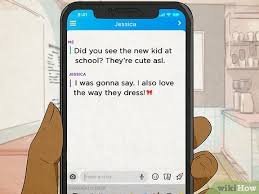
When people ask, “What does ASL mean in text?”, they are usually trying to understand a slang term that appears in chats, social media comments, dating apps, or quick replies. The short answer is that ASL most commonly stands for “age, sex, location.” It is one of those internet abbreviations that has been around for a long time, and even though texting language changes quickly, ASL still shows up often enough that many people want a clear explanation. In some conversations, it can also mean “as hell” when used for emphasis, and in other contexts it may refer to American Sign Language. That is why the meaning depends heavily on the sentence, the app, and the people talking. Understanding the phrase properly can help you avoid confusion, respond appropriately, and keep your online communication safe and natural.
What Does ASL Mean in Text? The Most Common Meaning Explained
In texting and online chat, ASL usually means “age, sex, location.” This abbreviation became popular in the early days of internet chat rooms, instant messaging, and online forums. People used it as a quick way to ask someone for basic personal details. If someone sent “ASL?” in a chat, they were usually asking, “How old are you, what is your sex, and where are you located?” In modern texting, this meaning can still appear, especially in casual chats, dating conversations, anonymous chat spaces, and older internet communities.
The reason this abbreviation became so well known is simple: people wanted to connect quickly, and the internet encouraged short, fast messages. ASL saved time, and because it was short, it fit naturally into early chat culture. Even today, you may see it in messages where someone is trying to start a conversation quickly or ask personal questions early on. However, because privacy awareness has grown, many people now see ASL as a little outdated, too direct, or even intrusive depending on the situation.
For that reason, if someone uses ASL in text today, it is worth paying attention to tone and context. A friendly, harmless chat may use it casually, while a stranger asking for ASL too soon may be doing so in a way that feels nosy or uncomfortable. The meaning may be simple, but the social signals around it matter just as much as the words themselves.
Why ASL Became Popular in Online Messaging
ASL became popular during a time when internet communication was all about speed, brevity, and curiosity. Early chat rooms, message boards, and instant messaging platforms had limited space and slower typing habits than today’s messaging apps. People often wanted to know who they were talking to, and ASL was a quick shortcut. Instead of asking long questions, a user could type three letters and get a basic introduction almost instantly.
Back then, online identities were often anonymous or hidden behind usernames. That meant people used terms like ASL to create a fast first impression. It worked as a kind of digital introduction: age gave a rough idea of maturity, sex helped identify gender, and location showed whether someone was nearby or far away. In some chat environments, this made conversations feel more real, more personal, and easier to continue.
Even though modern platforms are much more advanced, ASL survived because internet slang has a way of sticking around. Many users still recognize it immediately, especially those who spent time on early social apps, forums, or chat rooms. However, younger users may not know the term right away because texting language changes fast and new abbreviations appear constantly. That is why articles like this remain useful: they bridge the gap between old internet language and modern digital communication.
ASL in Text Can Also Mean “As Hell”
While “age, sex, location” is the most common meaning, ASL can also mean “as hell” in informal texting. In this sense, it is used as an intensifier to show strong emotion or emphasis. For example, someone might text, “I’m tired asl,” meaning “I’m tired as hell,” or “That movie was funny asl,” meaning “That movie was funny as hell.” This usage is especially common in casual internet speech, social media captions, and short text messages.
This version of ASL works differently from the older chat-room meaning. Instead of asking for personal information, it adds emphasis to a statement. It usually appears in lower-case writing, and people often use it in a relaxed, slang-heavy tone. Because texting style can be loose and informal, ASL may be written without punctuation and without capitalization, which can make it harder for some readers to identify right away.
The best way to know which meaning applies is to look at the sentence. If someone types “asl?” by itself, they probably mean “age, sex, location.” If someone says “I’m bored asl,” they almost certainly mean “as hell.” Context solves the puzzle. That is why text interpretation is less about the letters alone and more about how they are used.
Could ASL Mean American Sign Language in Text?
Yes, ASL can also stand for American Sign Language, especially in educational, cultural, or accessibility-related conversations. This meaning is very common in schools, learning materials, social media posts about Deaf culture, and discussions about communication methods. If someone is talking about classes, interpreting, language learning, or accessibility, ASL often refers to American Sign Language rather than the texting abbreviation.
For example, a sentence like “I’m taking an ASL class this semester” clearly means American Sign Language. The same is true for messages like “He is fluent in ASL” or “ASL interpreters are essential in public events.” In these cases, the meaning is obvious because the topic is language, communication, or Deaf services.
This is another reason why context is so important. Acronyms often have more than one meaning, and ASL is one of the best examples. The same three letters can point to personal details, emphasis, or a full language depending on the conversation. That is why smart readers do not guess too quickly. They read the entire message, think about the platform, and decide which meaning makes the most sense.
How to Tell Which ASL Meaning Someone Intended
The easiest way to understand ASL in text is to look at the full conversation. If the message is part of an anonymous chat or a new conversation with a stranger, “age, sex, location” is likely the meaning. If the message contains an emotional statement such as “so funny asl” or “mad asl,” then it probably means “as hell.” If the conversation is about school, sign language, disability access, or language learning, then it likely refers to American Sign Language.
Punctuation and sentence structure can also help. A message like “asl?” or “ASL??” often suggests someone is asking for personal details. A phrase like “that game was intense asl” reads like slang emphasizing intensity. A statement like “learning ASL is amazing” clearly points to sign language. Once you notice these patterns, interpreting ASL becomes much easier.
Tone matters too. If the person is being playful, casual, or flirtatious, they may be using the “age, sex, location” meaning in an old-school internet style. If they are speaking naturally about feelings, then “as hell” is more likely. And if they are talking about communication, education, or Deaf culture, then the answer is American Sign Language. Reading tone is one of the most important communication skills in texting because digital language is often shorter and more ambiguous than face-to-face speech.
Is It Safe to Answer ASL in Text?
This depends on who is asking and where the conversation is happening. If a trusted friend asks casually in a familiar chat, answering may not be a problem. But if a stranger asks for ASL too early, it is smart to be careful. Sharing age, sex, and location with someone you do not know can create privacy and safety risks. Not every online conversation deserves personal details, especially when the request feels abrupt or overly direct.
A better approach is to decide whether the conversation has earned your trust. If you are not comfortable sharing private information, you do not have to respond. You can choose to ignore the message, give a vague reply, or redirect the conversation to a safer topic. In many cases, protecting your privacy is the smartest choice. Online etiquette has evolved, and many people now see direct personal questions from strangers as a red flag rather than a normal introduction.
If someone asks for ASL in a dating app or a social platform, it is wise to pay attention to how respectful they are being. Some people use old slang without bad intentions, but others may be trying to gather information too quickly. You never owe anyone your age, sex, or location unless you genuinely want to share it. A calm and confident boundary is usually the best response.
Why People Still Search for “What Does ASL Mean in Text?”
A lot of people search this phrase because online slang is confusing. Texting language changes fast, and the same abbreviation can have multiple meanings. Some people remember ASL from older chat rooms and want to confirm whether it still means the same thing. Others see it in a message and cannot tell whether it means “as hell,” “age, sex, location,” or “American Sign Language.” Since context matters so much, a quick search becomes the easiest way to avoid misunderstanding.
There is also a generational factor. Older internet users may know ASL from the early days of online chatting, while younger users might recognize it from social media slang. Meanwhile, students or educators may know it as American Sign Language. These different associations create confusion, especially when people from different backgrounds talk online. That is why articles like this are useful for readers of all ages. They explain not only the meaning but also the social situation behind the meaning.
Another reason people search it is safety. If someone receives an unexpected message asking “ASL?” they may want to know whether it is harmless conversation or a question that should be handled carefully. Understanding the abbreviation helps people protect themselves, make better decisions, and respond with confidence instead of guessing.
How to Reply When Someone Texts ASL?
Your reply depends on your comfort level and the relationship you have with the other person. If you know them and feel safe, you can answer directly. If you do not know them well, you can choose not to share personal details. The best response is one that matches your comfort, your setting, and your goals in the conversation.
Some people reply casually because they are in a friendly chat. Others prefer to keep things vague. In many cases, a simple change of topic works well. You can steer the conversation toward shared interests, such as music, games, school, work, or hobbies. That allows you to stay polite without giving away anything private. A confident response also helps you set the tone for future communication, showing that you decide how much you share.
In modern texting, boundaries are important. You do not need to be rude to protect your privacy. A short and neutral reply often works better than a long explanation. If the person pushes too hard or ignores your comfort level, that itself says something important about the conversation. Respectful people understand privacy. Uncomfortable pressure is often a sign to step back.
ASL in Social Media Culture
Social media has given old slang new life. Even though ASL is not the newest abbreviation on the internet, it still appears in comments, captions, group chats, and direct messages. Depending on the platform, its meaning can shift quickly. On a meme page or casual chat thread, it may be used as “as hell.” In private messages, especially among strangers, it may mean “age, sex, location.” In a learning or community discussion, it may point to American Sign Language.
Because of this variety, social media users often need to slow down and read carefully. One of the biggest risks online is assuming an abbreviation means only one thing. That can lead to awkward replies or confusion. Good communication online requires a little extra attention. It is not enough to recognize the acronym; you also need to interpret the setting.
This is also why many content creators and bloggers write about slang terms like ASL. Readers want clarity. They want to know how to interpret messages without feeling behind the curve. The internet is full of abbreviations, but not all of them are self-explanatory. Clear explanations help people stay informed, communicate better, and avoid misunderstandings.
Common Examples of ASL in Text
Seeing ASL in real sentence patterns can make the meaning much easier to understand. When someone types “ASL?” in a direct chat, they are usually asking for personal details. When someone says “I’m sleepy asl,” they are using slang to mean “as hell.” When a teacher writes “ASL class starts Monday,” the meaning is American Sign Language. The structure of the sentence tells you everything you need to know.
This is why context is the key to decoding internet language. Acronyms are shortcuts, but shortcuts only work when the reader knows the path. The same letters can mean very different things in different situations. That is not a flaw in language; it is part of how language adapts to different communities and purposes. Texting culture is flexible, and abbreviations often carry multiple lives at once.
The smartest readers do not force one meaning on every situation. They ask: What is this conversation about? Who is speaking? Is this formal or casual? Is the topic emotional, personal, or educational? Once you answer those questions, ASL becomes much easier to understand.
Why Understanding ASL Matters for SEO, Content, and Communication
From a content perspective, phrases like “what does ASL mean in text” are valuable because they show real user intent. People are not just looking for a dictionary definition. They want a practical explanation, examples, and context. That is exactly why content about slang should be written in a clear, engaging, and human way. Readers want quick understanding, but they also want depth. They want to know how the term is used, when it appears, and whether it is safe or polite to respond.
For everyday communication, knowing ASL can prevent misunderstandings. A small acronym can completely change the tone of a conversation. Misreading it may lead to an awkward reply, a privacy mistake, or a confused reaction. When you understand the possible meanings, you communicate more confidently and respond more appropriately. That is especially useful in dating, online communities, gaming chats, and social media DMs, where abbreviations appear constantly.
For blog readers, this topic also matters because it is highly searchable and practical. A person searching this phrase usually wants a direct answer right away, followed by enough explanation to feel confident. That means the best article is not just keyword-rich; it is genuinely helpful. A well-written explanation improves trust, keeps readers on the page longer, and encourages them to explore more content.
Final Thoughts on What ASL Means in Text
So, what does ASL mean in text? Most often, it means “age, sex, location.” In some casual slang conversations, it can also mean “as hell.” In educational or accessibility contexts, it may refer to American Sign Language. The correct meaning depends on the sentence, the platform, and the people involved. That is why context is everything.
If someone sends “ASL?” in a chat, think carefully before replying, especially if you do not know the person well. If you see it in a casual statement like “I’m hungry asl,” it is probably slang for emphasis. And if you see it in a class or language-related discussion, it likely means American Sign Language. Once you learn the difference, you will understand messages faster and avoid confusion.
In a world where digital communication keeps getting faster, clearer language is a real advantage. Knowing the meaning of common abbreviations helps you stay informed, protect your privacy, and respond in a smart way. If this guide helped you understand the term better, share it with someone else who might be wondering the same thing. A simple explanation can save a lot of confusion, and that is exactly what good communication is all about.