
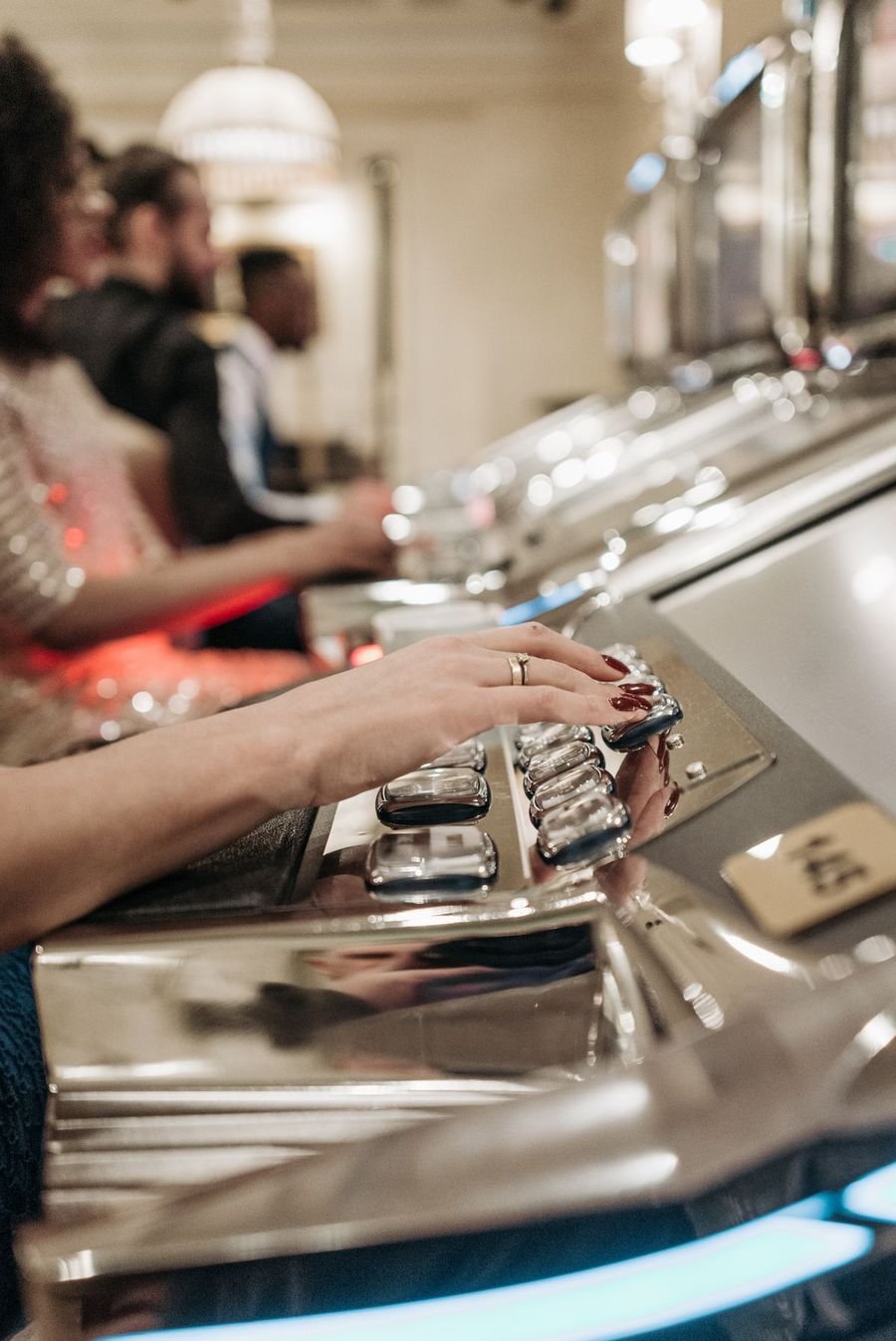
I still remember my first slot tournament clearly, and not because I won it. I walked in thinking I knew slots, after playing them for years. Then the clock started, the player next to me was spinning like his fingers were on fire, and I was still admiring my first win animation. By the time I worked out what was happening, he had already spun three times as many times as me. That day taught me more than any guide ever could, and it is why I keep coming back to the question of how to win a slot tournament with a clear head instead of just hoping for luck.
Here is the honest truth up front. You cannot beat a slot machine. The results are random, and no amount of clever timing changes that. What you can do is give yourself more chances inside the same short window than the person next to you. More spins mean more chances to hit a big combination, and more chances mean a better score. Everything else is about protecting that simple advantage.
Table of Contents
How to Win a Slot Tournament Starts With Understanding the Format
Most tournaments work in a simple way. You pay an entry fee, or join for free, and you get a set number of credits and a set amount of time — five minutes, ten minutes, or in some online events a whole day to play a set number of spins. You spin the same game as everyone else, your points build up from your wins, and when the time runs out, the highest score takes the prize. You are playing with tournament credits, so your job is not to protect a bankroll spin by spin. Your job is to use the clock.
Some events have rounds: a qualifying round, then a semi-final, then a final for a small group. Others are one round only, with the winner taking the top prize and a handful of runners-up getting something smaller. I prefer knowing the structure before I sit down. If there are several rounds, I do not burn all my energy in the first one. If it is a single round, I go all out from the first second. For a fuller breakdown, this guide on how slot tournaments work explains the rounds, credits, and scoring in plain detail.
In most proper tournaments, everyone plays the same machine, with the same game, paytable, and starting credits. That keeps it fair, and it means the only real difference between players is speed and focus. Once I understood that, I stopped looking for a secret machine trick and started working on the things I could actually control.
How Scoring Works and Why Every Spin Counts the Same
Scoring sounds complicated until you play one round, and then it becomes obvious. Every win adds points to your total: a small win adds a few, a big win adds a lot, and a losing spin adds nothing. There is no bonus for clever play, no extra points for waiting, and no reward for spinning slowly. A spin that wins nothing still costs you time, and time is the one thing you cannot get back.
That is the first honest lesson in how to win a slot tournament: volume beats patience. In normal play, I might slow down after a loss and think about my next bet. In a tournament, that pause is wasted. The reels do not care if I am thinking. The clock keeps running. I treat each spin as a fresh, equal chance. The last spin does not owe me anything, and the next spin does not remember what just happened.
Speed Is the Real Strategy: Spin as Fast as Possible
If I had to sum up tournament play in one sentence, it would be this: spin fast, spin constantly, and do not stop until the time is up. It sounds too simple, and that is exactly why so many people ignore it. They spin, watch the reels, celebrate a win, look around, and lose ten seconds here and fifteen seconds there. Over a five-minute round, those pauses add up to dozens of lost spins, and that is a painful way to learn how to win a slot tournament the hard way.
The technique is not fancy. I keep my hand on the spin button, tap it the moment the reels stop, and do not wait for the win animation to finish if I can skip it. On many machines, tapping again cuts the animation short and starts the next spin. Online, the same idea applies: spin button or spacebar, steady rhythm, and ignore the pop-ups and coin animations. I am not trying to enjoy the show. I am trying to fit as many spins as possible into the window I have been given.
It helps to practise this on a free-play version first, so the rhythm becomes automatic. When the round starts, my eyes stay on the reels and the timer, not on the people around me. It feels rushed at first, but after a minute it feels normal.
Max Bet Tapping and Why It Matters
In most tournaments, bet the maximum allowed on every spin. This is different from normal play, where I might lower my bet to make my money last longer. In a tournament, you are not risking your own cash on each spin. You are using tournament credits, and those credits only matter if they turn into points. A bigger bet usually means a bigger win when you hit, and a bigger win means more points. Betting small to be safe is the wrong kind of safe here. It protects credits you do not need to protect, and it shrinks the wins that could push you up the leaderboard.
Max bet tapping just means combining those two ideas: maximum bet, fastest possible tapping. I set the bet to max before the round starts, if the game lets me, and then I do not touch the bet controls again. I do not lower it after a losing run or raise it after a win. I leave it alone and focus on speed. Changing bets mid-round is another way to lose seconds, and it does not change the odds of the next spin. Anyone serious about how to win a slot tournament needs this habit, because it removes a decision I do not need under pressure.
Freeroll vs Buy-In: Choosing Your Entry Fee Wisely
Freerolls are free to enter, and that makes them very tempting. I have played plenty of them. They are great for practice and good fun, and sometimes the prizes are genuinely decent. The catch is that everyone else thinks the same thing. Freerolls often attract a huge number of players, and the prize pool gets split across a lot of people. You might finish in the top twenty and still walk away with very little. That does not make them a waste of time, especially when you are learning, but it does change what to expect. Part of learning how to win a slot tournament is learning which events are worth your time.
Buy-in tournaments cost money to enter, and that changes the feel completely. The field is usually smaller, the players are often more serious, and the prizes are usually bigger. I treat a buy-in like any other entertainment cost. I decide before I enter how much I am comfortable spending, and I do not chase it if I lose. I never enter with money I need for bills or food, and I never re-enter five times trying to win back the first entry. That is not strategy. That is a spiral.
My own rule is simple. If I am learning a new format or game, I start with a freeroll. If I know the game, like the prize structure, and the entry fee feels fair, I will consider a buy-in. I also check how many places get paid: paying the top fifty is very different from paying only the top three.
Picking the Right Tournament for Your Style
Not every tournament suits every player, and picking the wrong one is an easy mistake. I think about three things before I join: time, game, and field size. A five-minute sprint suits a fast, focused player, while a longer session suits someone who gets tired quickly under pressure. If I lose focus after a few minutes, I do better in short rounds. If I need time to settle into a rhythm, a longer event works better. Knowing your own style is a quiet part of how to win a slot tournament, because the right format lets your strengths show.
The game matters too. Some slot games are slow, with long bonus animations. Others are quick, with simple reels and fast spins. In a tournament, I want the fast one, and one I have played before, so I am not learning the buttons while the clock is running. If the game is new to me, I try the free version first for a few minutes, so I know where the spin button is and how the bonus works.
Field size is the third thing. Two hundred players chasing ten prizes feels very different from two thousand players chasing ten prizes. I also check the start time. I have joined late-night tournaments when I was already tired, and my speed showed it. Now I pick times when I am alert and have a quiet space.
Reading the Leaderboard Without Losing Your Nerve
The leaderboard is the most distracting thing in a slot tournament. It sits there, updating in real time, showing you exactly where you stand. In my early tournaments, I checked it constantly. I would spin a few times, glance up, see I had dropped two places, panic a little, and spin faster but sloppily. It was a terrible loop. I was spending my attention on the scoreboard instead of on the spins that actually change the score.
Now I treat it differently. I glance at it at the start to get a sense of the pace, ignore it for most of the round, and check it again near the end if I need to push even harder. In a multi-round event, it matters more between rounds, when I can see what score I need to qualify. During a round, it is mostly noise. The players above me are not thinking about me. They are spinning. I should be doing the same.
Common Mistakes That Cost Players the Prize
The biggest mistake I see, and the one I made myself, is spinning slowly. It is just habit. In normal play, we are taught to take our time and savour the wins. In a tournament, that habit costs points. I have watched players celebrate a medium win for five seconds while the clock ran down. That celebration cost them three or four spins, and over a whole round it can cost the prize — a harsh lesson in how to win a slot tournament by doing the simple things right.
Another mistake is changing strategy mid-round. A player starts fast, hits a losing run, gets frustrated, slows down, and lowers the bet. I understand the feeling, because losing runs feel personal even when they are random. But changing the plan does not fix the randomness. It just reduces the chances you get after the losing run ends. I pick my approach before the round starts and stick to it, even when the reels are cold.
The third mistake is joining the wrong event. I have joined tournaments with tiny prizes and huge fields, just because they were free. I have joined buy-ins where only the top three got paid and the entry fee was high, and events on games I had never played, late at night. Now I check the prize, the field, the game, and the timing before I commit. It takes two minutes. One more mistake: playing while distracted. If my phone is buzzing or I am half-watching television, my speed drops. I make my space quiet, close extra tabs, and give the round my full attention.
What Prizes Are Really Worth and What They Are Not
Prizes sound exciting when you read the headline, and they are meant to. A tournament might advertise a top prize of a thousand dollars, free spins, a holiday, or a gadget. I have won cash, free spins, and entry into another tournament. Cash is simple: you know what it is worth. Free spins are trickier. They often come with wagering requirements, which means you have to play through the winnings a certain number of times before you can withdraw them. Fifty free spins might sound generous, but if the terms are strict, the real value can be much smaller than it looks.
I always read the prize terms before I get excited. I check whether the prize is cash or bonus money, whether there are wagering requirements, whether there is a maximum win from free spins, and how long I have to use it. I also check how the prize is split. Some tournaments pay a big amount to first place and very little to everyone else. Others spread it more evenly. I prefer the second kind when playing for fun, because finishing tenth still feels rewarding. I only chase the top-heavy ones when the top prize is genuinely worth the long odds.
Online vs Land-Based Slot Tournaments
Online and land-based tournaments feel very different, even though the basic idea is the same. Online, I play from home, on my own screen, at my own pace. I can join events at any hour and I do not have to travel anywhere. The downside is that it can feel lonely, and it is easy to get distracted by other tabs, messages, or chores. I have to be disciplined about creating a focused space, because no one else is there to keep me on track.
Land-based tournaments are louder, busier, and more social. You sit at a real machine, next to real people, with a crowd watching and a host calling out the scores. The energy is exciting, and it can also be nerve-wracking. The machines are physical, the buttons are real, and the animations are harder to skip, so speed becomes partly about how quickly you can press the physical button again and again.
Land-based events often have fixed start times and limited seats, while online events are more flexible and you can often join late. Online is better for regular practice and for fitting a tournament around my day. Land-based is better for the atmosphere and the social side. If you are new, start online, where the pressure is lower. In both settings, ask staff if a rule is unclear. It is much better to ask before the round starts than to realise halfway through that you have been playing the wrong way.
Frequently Asked Questions
Do slot tournaments involve skill, or is it all luck?
It is mostly luck, because the symbols are random and no player can control what lands. The skill part is small but real: spinning quickly, staying focused, and choosing good events. That does not beat the machine, but it gets you the most chances from your time.
How long does a slot tournament round usually last?
Most rounds I have played last between three and ten minutes, though some online events give you an hour or a full day to complete a set number of spins. I always check the exact time first, so I know whether to pace myself or go all out.
Can I really win money from a free slot tournament?
Yes, but the amounts are often small and the field is often large. Freerolls are a good way to practise without risking your own money, while a buy-in event usually offers more but costs money to enter. I treat freerolls as fun and practice first, and any prize as a bonus.
Do I need to bet max to do well in a slot tournament?
In most tournaments, yes, because bigger bets lead to bigger wins and more points, and you are playing with tournament credits, not your own cash. The exception is when the rules say bet size does not affect scoring, so I read the rules first, then set my bet and leave it alone.
Are online slot tournaments fair?
Reputable casinos use regulated games and the same setup for every player, which keeps things fair, so I stick to licensed sites. For guidance on safe and legal gambling in the UK, the UK Gambling Commission https://www.gamblingcommission.gov.uk/ is a good place to start. If a site looks unlicensed or the rules are unclear, I do not play there.
My Honest Conclusion
If you take one thing from my experience, let it be this: tournaments reward speed, focus, and good choices before the round starts, not secret tricks during it. Learn the format, set your bet, spin as fast as you can, and keep going until the clock stops. Pick events with fair prizes and fields you can realistically compete in, and do not chase losses with more entries. That will not guarantee a win, because no approach can, but it will give you the best possible chance every time.
I still enjoy tournaments for the same reason I enjoyed that first one, even though I lost it badly. They are fast, they are exciting, and they turn a quiet game into a shared race against the clock. Next time, I will do the same simple things: check the rules, pick a good event, set max bet, and tap fast. That is the full plan, and it is the reason I keep coming back to learning how to win a slot tournament the honest way, one fast spin at a time.
Gamble responsibly. 18+ only.