
Am I Gen Z or Millennial? The Gen Identity Question Everyone Keeps Asking
Have you ever scrolled through social media, seen a trend, a meme, or a lifestyle debate, and thought, “Wait… am I Gen Z or Millennial?” You are definitely not alone. This question comes up more often than people admit, and for good reason. The line between generations can feel blurry, especially when someone is born near the edge of one age group and ends up sharing traits from both sides. That is why the “am I Gen Z or Millennial?” question has become such a relatable identity check in today’s online culture.
The truth is, generations are not just about birth years. They are also about habits, technology, humor, work style, communication preferences, and the way people were shaped by the world around them. Some people are technically Gen Z by age but feel deeply Millennial in the way they text, work, or consume media. Others are Millennials who connect more with Gen Z culture because of their style, interests, and online behavior. That overlap is completely normal. It does not mean you are confused. It means you are human, and you have lived through a rapidly changing digital world that has blurred the old generational lines.
This guide is here to help you understand the difference in a simple, engaging, and practical way. By the end, you will have a much clearer answer to the big question: am I Gen Z or Millennial? More importantly, you will understand why the answer matters less than people think and why both generations have their own strengths, quirks, and cultural fingerprints.
What Does “Gen” Even Mean in This Conversation?
When people ask about their “gen” identity, they are usually referring to their generation. In everyday conversation, “gen” has become a shorthand way of talking about Generation Z, Millennials, Generation Alpha, and so on. In this case, the most common comparison is between Gen Z and Millennials because these two groups are often discussed together, especially online.
Millennials are generally considered the generation that came of age around the turn of the millennium. They grew up during the rise of the internet, mobile phones, and social media, but many still remember a world before constant digital connection. Gen Z, on the other hand, grew up fully immersed in the internet age. They are often seen as the first true digital-native generation, meaning technology was not something they adapted to later in life; it was simply part of their world from the beginning.
That distinction sounds simple, but real life is more complicated. Not everyone fits perfectly into one box. People born near the boundary years often share characteristics of both groups. That is why it helps to look beyond labels and understand the culture, habits, and life experiences that shaped each generation.
The Birth Year Line Between Gen Z and Millennials
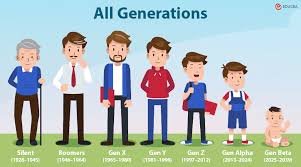
One of the easiest ways to answer the question is by looking at birth years. In general, Millennials are commonly defined as people born from the early 1980s to the mid-1990s, while Gen Z usually starts in the mid-to-late 1990s and continues into the early 2010s. The exact dates vary depending on the source, but the broad split is usually somewhere around 1996 or 1997.
That means someone born in 1995 might feel like a late Millennial, while someone born in 1997 might feel like an early Gen Z. But even those numbers do not tell the full story. Being born in a certain year gives you a starting point, not a complete identity. Two people born in the same year can have very different childhoods, family environments, access to technology, and cultural influences. One may have grown up with dial-up internet and flip phones, while another had Wi-Fi, smartphones, and social apps from an early age.
So yes, birth year matters, but it is only one part of the answer. If you are trying to figure out whether you are Gen Z or Millennial, think of your birth year as the first clue, not the final verdict.
Childhood Clues That Reveal Your Generation
A person’s childhood often says more about their generational identity than their exact birth year. The toys, shows, devices, and daily routines you grew up with can reveal a lot about whether you lean Gen Z or Millennial.
Millennials usually remember a childhood that included VHS tapes, CDs, early computer games, and a time when the internet was slow, noisy, and exciting. They often experienced both analog and digital worlds. They may remember writing notes by hand, using landlines, and waiting to get home to use the family computer. Their childhood was a bridge between two eras, which is why many Millennials are often described as adaptable and resourceful.
Gen Z, by contrast, typically grew up with smartphones, streaming services, social media, and constant access to information. They were less likely to experience a clear divide between “offline” and “online” life. For them, digital culture was not a novelty. It was normal. They could search for answers instantly, send voice notes, watch short-form videos, and learn trends in real time. Many Gen Zers feel at home in fast-moving online spaces because they never knew a world without them.
If your childhood memories include both floppy discs and TikTok-style content, you may be one of the people straddling the generational boundary. That does not make your identity less clear. It just means you are part of a transitional generation with a rich mix of experiences.
How Technology Can Tell You Whether You Feel More Gen Z or Millennial
Technology is one of the biggest clues in the Gen Z versus Millennial conversation. The generation you identify with often depends on how naturally you adapted to the digital world.
Millennials saw the rise of the internet. They remember a time when getting online was something you planned for. They lived through the evolution from basic websites to social media platforms, from desktop computers to smartphones, and from email chains to instant messaging. Because they watched technology change so quickly, many Millennials developed a flexible approach to digital tools. They know how to navigate both old-school and modern tech spaces.
Gen Z, meanwhile, was raised inside that digital evolution. They were not just watching technology change; they were growing with it. They are typically more fluent in app-based communication, video content, meme culture, and platform switching. They often prefer fast, visual, and highly interactive forms of digital communication. A Gen Z person may feel more comfortable expressing themselves through short videos, DMs, captions, stickers, and emojis than through long-form email or formal text.
So ask yourself a simple question: did you learn technology as it evolved, or did technology feel like a native language from the start? Your answer might help reveal whether your mind leans more Millennial or Gen Z.
Communication Style: Are You More Text-Heavy or Emoji-Heavy?
Another useful way to answer “am I Gen Z or Millennial?” is to think about the way you communicate.
Millennials often grew up in the age of text messaging, instant messaging, and email. They are comfortable with longer written communication and may prefer clarity, context, and punctuation. Many Millennials still appreciate thoughtful messages, detailed explanations, and a bit of structure in conversation. They are often criticized online for using too many ellipses, too much punctuation, or sounding “formal” in casual chat. But for many Millennials, that style is simply natural.
Gen Z tends to communicate in a more visual, condensed, and playful way. They often use memes, reactions, slang, abbreviations, and creative formatting to express tone. Their communication can feel faster, more ironic, and more layered with inside jokes. They may use fewer words but convey a lot of meaning through context, tone, and shared internet culture.
Neither style is better. They are just different. Some people are naturally concise and meme-savvy, while others prefer writing full thoughts and making sure nothing gets lost. If your texts sound like mini essays, you may lean Millennial. If your messages are packed with emojis, short phrases, and cultural references that barely need explanation, you may lean Gen Z. Of course, many people are a mix of both.
Humor Can Also Reveal Your Generational Side
Humor is one of the strongest markers of generational identity. The kind of things that make you laugh can be surprisingly revealing.
Millennial humor often leans toward irony, self-awareness, nostalgia, and the feeling of being tired but trying to stay positive. It is full of references to growing up in the 1990s and 2000s, surviving the rise of adulthood, and joking about student loans, burnout, rent, and work-life balance. There is often a warm, reflective quality to Millennial humor. It can be sarcastic, but it also tends to be emotionally relatable.
Gen Z humor can feel more chaotic, random, and intentionally absurd. It often thrives on surreal jokes, internet remix culture, fast-moving trends, and a kind of anti-polished aesthetic. Gen Z comedy may make no sense to outsiders on purpose. It can be ultra-specific, deeply ironic, and layered with references that only people active online will understand.
If you love nostalgic jokes, sarcastic memes, and relatable adulting content, you might be leaning Millennial. If you enjoy absurd, fast-paced, and unpredictable internet humor, you might be leaning Gen Z. Of course, many people enjoy both. In fact, a lot of the most successful online creators know how to speak both “languages” at once.
Work Habits and Life Approach: Another Generational Clue
A person’s attitude toward work, productivity, and structure can also give clues about whether they identify more with Gen Z or Millennial culture.
Millennials came of age during a time when hustle culture was heavily celebrated. Many were taught to be ambitious, efficient, and career-focused. They often value stability, growth, professional development, and meaning in their work. At the same time, many Millennials became deeply aware of burnout, overwork, and the gap between effort and reward. That is why a lot of Millennial discourse includes conversations about balance, purpose, and making work fit into life rather than letting life disappear into work.
Gen Z is often more open about boundaries, mental health, and flexibility. This generation tends to question old workplace norms more directly and may value authenticity, freedom, and purpose even more strongly. Gen Z workers often want to feel seen as people, not just employees. They are more likely to call out toxic behavior, reject fake professionalism, and expect a more human approach to work culture.
That said, there is a lot of overlap. Many late Millennials share Gen Z’s skepticism of outdated workplace rules, and many Gen Zers are highly ambitious and structured. The difference is less about effort and more about attitude. Millennials often learned to fit into traditional systems and then started questioning them. Gen Z often questions those systems from the start.
Fashion, Aesthetic, and Self-Expression
Style is another area where the Gen Z versus Millennial divide becomes visible. Even when both groups wear similar clothes, the way they style themselves and present their identity can feel different.
Millennial fashion often leans toward polished casual wear, minimalist basics, and an interest in looking put together without appearing overly formal. Many Millennials enjoy timeless pieces, neutral tones, and styles that feel practical as well as expressive. Their aesthetic often says, “I want to look good, but I also want comfort and versatility.”
Gen Z style tends to be more experimental and identity-driven. This generation is more likely to mix trends, challenge traditional beauty standards, and use fashion as a form of personal branding. Gen Z aesthetics can change quickly and may include bold colors, vintage pieces, gender-fluid looks, and a willingness to blur categories. There is often a stronger embrace of individuality and a slightly more playful relationship with style.
Of course, both generations have trend followers and trend setters. But if your closet looks like a carefully curated balance of comfort and polish, you may lean Millennial. If your style feels more experimental, expressive, and trend-fluid, you may lean Gen Z.
Music, Media, and Entertainment Preferences
The media you grew up with can also tell you a lot about your generational identity. Millennials grew up during the rise of cable television, DVDs, MP3 players, and the early days of streaming. They often have strong nostalgia for older TV shows, boy bands, early pop icons, and the shift from physical media to digital access. Many Millennials still remember when discovering a song or movie required a little more effort than pressing a button.
Gen Z has largely grown up with instant access to everything. They use streaming platforms, short-form video, and algorithm-driven discovery as part of everyday life. Their media habits often reflect speed, choice, and personalization. They may discover new songs through clips, trends, edits, and viral moments rather than radio or television.
The difference shows up not only in what people watch or listen to, but in how they consume it. Millennials may enjoy full albums, long-form articles, and longer TV arcs. Gen Z often embraces clips, highlights, fast updates, and content that can be shared instantly. Again, neither is superior. They are just products of different media ecosystems.
Social Media Behavior: The Biggest Gen Z and Millennial Clue of All
If there is one place where the generational split is easiest to notice, it is social media.
Millennials helped build the early internet culture that eventually became social media culture. They remember Facebook’s early years, blogging, profile pictures, and the shift from private online identity to public digital life. Many Millennials are still highly active online, but they often prefer platforms and formats that feel more stable, organized, or discussion-friendly.
Gen Z grew up with social media already embedded in daily life. They tend to use platforms as creative spaces, identity spaces, and entertainment spaces all at once. They are often highly aware of online trends, algorithm shifts, and platform-specific culture. Gen Z users may be quicker to move from one app to another, adopt new formats, and create content that feels native to the platform rather than polished for a broad audience.
Another key difference is privacy and self-presentation. Millennials often started with more open sharing because online spaces were newer and less carefully controlled. Gen Z, in many cases, is more strategic and selective. They may curate what they post, use multiple accounts, or reserve different apps for different versions of themselves. Some are highly public; others are surprisingly private. Their online identity can be more segmented, deliberate, and experimental.
If social media feels like a space where you build memories, stay connected, and maintain a digital scrapbook, you may lean Millennial. If it feels like a fast-moving, multi-layered, creative stage where trends and identity shift constantly, you may lean Gen Z.
The Emotional Difference People Notice
People often talk about emotional energy when comparing Gen Z and Millennials, even if they do not say it directly. Millennials are sometimes described as the generation that learned to be optimistic while carrying a lot of pressure. They are often associated with resilience, humor through struggle, and the challenge of balancing ambition with disappointment. Many Millennials learned to keep going even when life did not match the promises they were given.
Gen Z is often seen as more openly expressive, more vocal about mental health, and less willing to hide discomfort. They are frequently praised for being honest about stress, identity, and boundaries. They may be more comfortable naming emotional realities directly and expecting support rather than silence. Their openness can feel refreshing to some and too blunt to others, depending on the situation.
The emotional contrast is important because it shapes how each generation responds to life. Millennials may lean toward humor, adaptability, and endurance. Gen Z may lean toward honesty, clarity, and emotional transparency. Both approaches have value. One is not more mature than the other. They simply reflect different lessons learned from different times.
You Might Be a “Cusp” Generation
One of the most interesting answers to the question “am I Gen Z or Millennial?” is that you might be both in different ways. People who are born near the border between generations are sometimes called cusp or microgeneration individuals. These are the people who do not fit neatly into one side and instead carry a mix of traits from both.
Cusp individuals often understand both generations surprisingly well. They may remember childhood analog life but adult digital life. They may use Gen Z slang but still prefer Millennial communication habits. They might feel too young for classic Millennial stereotypes and too old for the youngest Gen Z trends. That in-between feeling is real, and it is more common than people think.
Being on the cusp can actually be a strength. It gives you cultural flexibility. You may understand a wider range of people, adapt more easily to changing spaces, and relate to different styles of humor, work, and communication. Instead of seeing yourself as uncertain, think of yourself as bilingual in generational culture.
Why People Care So Much About Generations
It is worth asking why this question matters so much in the first place. Why do people spend so much time trying to figure out whether they are Gen Z or Millennial?
Part of the answer is identity. Generations are shorthand for shared experiences, and people naturally want to understand where they belong. Generational labels help people explain why they think the way they do, laugh the way they do, or handle life the way they do. They create a sense of cultural belonging.
Another reason is online culture. The internet loves categorizing people because categories are easy to discuss, debate, and meme. Gen Z versus Millennial content is popular because it turns everyday behavior into something fun and recognizable. People love seeing themselves reflected in those comparisons.
There is also a practical side. Brands, employers, creators, and marketers often use generational categories to shape messaging. That means knowing your generational style can help you understand why certain content, products, or communication styles appeal to you more than others. Even so, it is important not to take the labels too seriously. Generations are helpful tools, not rigid rules.
So, Am I Gen Z or Millennial?
Now to the big question itself. The answer depends on more than just your birth year. If you were born in the early-to-mid 1990s, you may strongly identify as a Millennial, especially if your childhood was shaped by pre-smartphone life and your teen years involved the early internet. If you were born in the late 1990s or early 2000s, you may lean Gen Z, especially if social media, smartphones, and digital culture were central to your upbringing.
But your self-identification matters too. Some people know immediately which generation feels right. Others feel like they live on the border. Both are valid. Your generational identity is a blend of timing, technology, culture, and personal experience. It is not a test with a perfect score.
A helpful way to think about it is this: if you relate more to the transition from analog to digital, you may lean Millennial. If you relate more to being fully shaped by digital life from the start, you may lean Gen Z. And if you see yourself in both, congratulations, you have the best of both worlds.
What to Do With the Answer Once You Know It
Knowing whether you are Gen Z or Millennial is not just trivia. It can help you understand your habits, your preferences, your humor, and the way you connect with other people. It can also help you stop comparing yourself too harshly to internet stereotypes that were never meant to define your entire personality.
Use the label as a guide, not a cage. Your generation may explain some of your tendencies, but it does not limit your growth. A Millennial can be trendy, fast-moving, and digitally fluent. A Gen Z person can appreciate structure, nostalgia, and long-form communication. Generations are broad cultural patterns, not personality prisons.
The real win is self-awareness. Once you understand where you fit, you can communicate better, create more confidently, and make sense of why certain things feel natural to you. That is much more useful than winning an online argument about who is “more modern” or who is “more relatable.”
Final Thoughts: Your Gen Identity Is Bigger Than a Label
At the end of the day, the question “am I Gen Z or Millennial?” is really a question about identity, culture, and belonging. It reflects the fact that we live in a time when generations overlap, evolve, and influence one another in real time. There is no need to force yourself into a box just to satisfy a trend.
If your life bridges two eras, that is not confusion. That is perspective. If you feel like you carry both Millennial practicality and Gen Z creativity, that is not inconsistency. That is adaptability. And in a world that changes quickly, adaptability is a major strength.
So whether you are a proud Millennial, a true Gen Z, or a little bit of both, own it. Understand your habits. Embrace your style. Laugh at the stereotypes. And use your generational awareness to connect more deeply with the world around you. The answer to your gen question may be interesting, but your individuality is what really matters.
CTA: Find Your Generation Match Today
Ready to settle the debate once and for all? Think about your childhood, your tech habits, your humor, and the way you communicate every day. Share this guide with a friend and compare notes. You might discover that you are not just Gen Z or Millennial, but a unique mix of both. And that is exactly what makes your story worth knowing.