
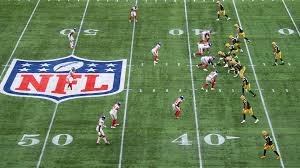
The 2026 NFL season will kick off on September 9 in Seattle, with the Seahawks opening the year in a primetime game. The full schedule will be released on May 14 at 8 p.m. ET, revealing all matchups, dates, and primetime NFL games for the season.
What makes the NFL schedule so fascinating is that it is much more than a list of opponents. It is a carefully designed season blueprint that shapes how teams travel, rest, recover, and compete. The league has confirmed that every team will still play 17 regular-season games, with six games coming from home-and-away matchups against division rivals, four games against a rotating division in the same conference, four games against a rotating division from the other conference, and two additional intraconference games determined by the previous year’s standings. In other words, every week matters, every opponent has a story, and every stretch of NFL games can influence the race for the playoffs.
For fans, that structure is what turns the schedule into a season-long event. Some weeks are loaded with rivalry football. Some weeks highlight cross-country travel. Some weeks are built around national television windows that bring together the biggest audiences in sports. The 2026 slate already promises all of that and more, especially because the league is leaning hard into international expansion, holiday football, and premium broadcasts that make the regular season feel like a rolling series of tentpole moments. If you are following NFL games closely, the 2026 schedule is not just something to glance at once and forget. It is something to study, save, and revisit all year long.
The 2026 NFL season opener in Seattle is one of the biggest storylines, setting the tone for the year. It highlights the featured team, stadium, and national spotlight game that launches the season. Even before the full schedule is released, this kickoff confirms that the 2026 NFL games will start with major excitement, championship energy, and high visibility for fans and media alike.
NFL Games 2026: Full NFL Schedule Guide for Every Fan
Another reason the 2026 NFL schedule is drawing so much attention is the timing of the reveal itself. The league has confirmed that the complete schedule will be unveiled on May 14 at 8 p.m. ET, with broadcast coverage across NFL Network, ESPN2, the ESPN App, NFL+, and the NFL Channel on FAST platforms. That kind of rollout reflects how central the schedule has become to football culture. The release is no longer a quiet back-office event; it is a media moment that fans treat almost like a holiday. People do not just want to know who their team will play. They want to know when those NFL games will land, which primetime windows they will occupy, and whether the most anticipated matchups will be stacked into unforgettable weekends.
Part of the reason schedule release has become such a spectacle is that the league now manages an enormous web of considerations behind the scenes. According to NFL Football Operations, the schedule-making process involves roughly a quadrillion possible combinations and more than 26,000 factors, including stadium availability, competitive fairness, primetime placement, travel requirements, and division rivalries. The NFL also uses Amazon Web Services to help run the computational side of that process. That is why schedule creation is so much more than random ordering; it is a balancing act between television value, player logistics, competitive integrity, and fan experience. When the final version appears, it represents a huge amount of planning designed to make the season feel fair and exciting at the same time.
International football is one of the biggest reasons the 2026 schedule feels different from previous seasons. The NFL has confirmed a record nine international games in 2026, spread across four continents, seven countries, and eight stadiums. Those games include historic first regular-season contests in Melbourne, Paris, and Rio de Janeiro, along with appearances in London, Madrid, Mexico City, and Munich. That is a major statement about where the league is headed. The NFL is no longer treating international games as a novelty. It is building them into the core identity of the regular season, which means fans following NFL games will increasingly need to think globally, not just nationally.
From a scheduling perspective, international football also changes the rhythm of the season. The league has said that each team is guaranteed to play internationally at least once every eight years, which helps distribute the burden and the opportunity across the league. Once those games are set, the schedule makers also look at the surrounding three-week window to reduce the travel strain on teams, including how a club handles the week before an overseas game and whether it gets a bye week afterward. That kind of planning matters a great deal because international NFL games are not just events for the fans in attendance; they are logistical tests for the teams involved and strategic puzzle pieces for the rest of the season.
The first international game of the 2026 season is especially notable because it begins in São Paulo, Brazil, on September 10. That means the opening stretch of the schedule is already packed with global attention, giving fans multiple reasons to track the early weeks closely. When a season starts with a primetime opener in Seattle and quickly moves into international action, it creates a sense that the NFL calendar has no slow warm-up period. Instead, it launches immediately into high-profile football across multiple time zones, which is exactly the kind of momentum that keeps viewers engaged from the first weekend onward. For websites covering NFL games, that early-season intensity is incredibly valuable because it generates searches, shares, and repeat visits.
Holiday football will also play a major role in making the 2026 slate feel irresistible. The NFL has already highlighted its holiday schedule as a major attraction, and the league has repeatedly used holiday windows to create some of the most memorable regular-season games on the calendar. Those games tend to perform especially well because they reach casual viewers who may not follow every team every week. They also become natural gathering points for families, traveling fans, and everyone who wants football woven into the holiday experience. In practical terms, that means the 2026 NFL schedule will not just matter to die-hard followers. It will also shape Thanksgiving plans, Christmas plans, and the social rhythm of the season for millions of households.
Primetime football is another major piece of the puzzle, and the league’s structure makes clear how carefully those games are placed. NFL Football Operations explains that Thursday Night Football on Prime Video starts in Week 2, with 15 Thursday night games between Weeks 2 and 17, excluding Thanksgiving night and including Christmas, while Monday Night Football airs on ESPN or ABC throughout Weeks 1 through 17. Sunday Night Football also remains a centerpiece of the season, and flex scheduling can move matchups later in the year to make sure the best possible games are showcased to the largest audiences. That setup is one of the biggest reasons the term NFL games drives so much weekly interest; the schedule is built to keep big matchups circulating in front of the widest possible audience.
Flex scheduling matters because it keeps the back half of the season dynamic. Rather than locking every major window too early, the NFL can adjust later-season national games so that the strongest matchups get the most attention. That helps fans because it increases the odds of seeing competitive games with playoff implications in prime time. It also helps the league because it ensures that the biggest weekly broadcasts stay relevant deep into the season. For anyone building content around the 2026 NFL schedule, this is an important point: the schedule is not a static document that gets read once in May and forgotten. It is a live, evolving framework that can shift as standings change and storylines develop.
Another thing that makes the 2026 schedule useful for fans is how clearly it can be used as a planning tool. The official NFL ticket marketplace says 2026 season tickets generally go on sale in mid-May, shortly after the official schedule release. That timing is not random. Once the calendar is public, fans can start making decisions about travel, hotel bookings, group outings, and which NFL games they want to see live. The schedule release therefore becomes the launch point for a whole wave of activity: ticket demand, content creation, fantasy research, betting analysis, and social media conversation all begin to spike once dates are confirmed. In other words, the schedule does not just tell you when games happen. It tells you when fan behavior is about to accelerate.
That is why the 2026 schedule is so important for publishers and SEO-driven sports websites. Fans searching for NFL games usually want more than a score, more than a standings page, and more than a quick highlight clip. They want context. They want to know which games matter, when those games happen, where they can watch them, and how the schedule affects the season as a whole. A strong article on the 2026 NFL Schedule should answer those questions in a way that feels timely, easy to read, and genuinely useful. It should help readers understand why a specific matchup matters, why an international game is special, or why a primetime window could change the tone of an entire division race. That kind of depth is exactly what gives schedule content lasting search value.
There is also a bigger strategic reason the 2026 NFL schedule will attract so much search traffic. Every season creates a fresh set of storylines, and the schedule is the first official document that turns those storylines into a real journey. Once opponents and dates are set, fans can map out revenge games, rivalry rematches, tough road stretches, and potential playoff previews. Even without analyzing every individual team, the shape of the season becomes more visible: some clubs will get early opportunities to build momentum, some will face brutal midseason stretches, and some will have a finish that could decide the postseason race. For searchers using the keyword nfl games, that kind of season-wide framing is exactly what makes content feel worthwhile and authoritative.
The international slate deserves special attention because it adds depth, novelty, and a sense of history to the regular season. The league’s 2026 plan includes games in Brazil, Mexico, the United Kingdom, Germany, Spain, France, and Australia, which means fans will see more variety in venue, atmosphere, and broadcast timing than ever before. That matters because the NFL is no longer selling only the quality of the game itself. It is also selling the experience of football as a global event. A matchup in Melbourne or Paris brings a different kind of spotlight, and it gives viewers another reason to engage with the NFL schedule as a live, unfolding story rather than a fixed spreadsheet of fixtures.
For teams, that global expansion changes preparation. Travel can affect recovery, practice timing, and weekly routines, especially when a club must adjust to an overseas game and then re-enter the domestic schedule afterward. For fans, the payoff is a wider range of broadcast moments and more unique destinations tied to the league’s brand. For content creators, the benefit is clear: international NFL games create high-interest pages, high-volume searches, and highly shareable story angles. A well-written 2026 season guide can turn those angles into a long-lasting search asset because it connects the practical schedule to the emotional excitement of traveling football.
The 2026 season also gives fans a chance to think more strategically about how they consume football. Some viewers will follow every primetime game. Others will focus on their favorite team’s divisional matchups. Some will care most about holiday football, while others will track the international games and early kickoff windows. The schedule is flexible enough to serve all of those viewing habits at once. That is part of what makes the NFL so dominant: it builds a regular season that feels personalized even though it is shared by the entire sports landscape. Whether a fan is checking one team or dozens of NFL games each week, the calendar delivers a sense of progression and anticipation that is hard to match in any other sport.
If you are trying to follow the 2026 season closely, the smartest approach is to treat the schedule release as the start of the real football year. Once the slate is published, you can identify the games that matter most to you, compare home and away stretches, and figure out which weekends are best for travel, viewing parties, or live attendance. You can also use the schedule to anticipate when ticket demand may rise, especially since the official marketplace says tickets usually open shortly after the release. That makes the schedule more than a content topic. It becomes a planning tool that can help fans stay ahead of the crowd and make better decisions all season long.
There is also a strong emotional side to the schedule that is easy to overlook. The release of the NFL calendar is one of the first real signs that the offseason is ending. It turns abstract optimism into something concrete. A team that looked promising in March suddenly has dates attached to its biggest games. A rival that fans have been circling for months now has a time and place. A road trip that sounded like a fantasy in winter suddenly becomes a real plan on the calendar. That emotional shift is one of the hidden reasons NFL games generate so much attention: the schedule transforms hope into anticipation, and anticipation is what keeps fans coming back week after week.
From an SEO perspective, strong content about the 2026 NFL Schedule should inform readers, build excitement, and answer follow-up questions. Once fans learn about the Seattle opener or international NFL games, they immediately want more details like matchups, locations, and viewing options. High-quality content anticipates these needs and provides clear, helpful answers about every stage of the NFL games season in a natural and engaging way.
The 2026 NFL season should also be viewed as a major opportunity for fan engagement across the entire year. Before the games even begin, the league has already created multiple moments that will pull attention: the schedule reveal, the opening kickoff, the international rollout, the holiday slate, the weekly primetime matchups, and the late-season flex windows that can reshape the national spotlight. Each of those moments gives fans something different to care about, and each one helps the regular season feel bigger than a standard weekly sports calendar. That is exactly why the phrase nfl games is so powerful in search: it captures not just a sport, but an ongoing cycle of anticipation, viewing, discussion, and planning.
The 2026 NFL schedule is more than just dates—it is the full roadmap of the season across cities, time zones, and global stages. It starts with a Seattle kickoff, expands into international games, and delivers weekly primetime and rivalry NFL games. For fans and teams, it builds anticipation, challenges, and nonstop excitement leading into a season full of real action and storylines.
If you are ready to stay ahead of the season, bookmark the official schedule release, follow the matchup announcements as they arrive, and keep checking back for the full 2026 slate. The earlier you track the calendar, the easier it becomes to plan which games to watch, which weeks to circle, and which matchups you cannot afford to miss. That is how smart fans follow the NFL schedule: not reactively, but with a season-long strategy that turns every week into an event.