
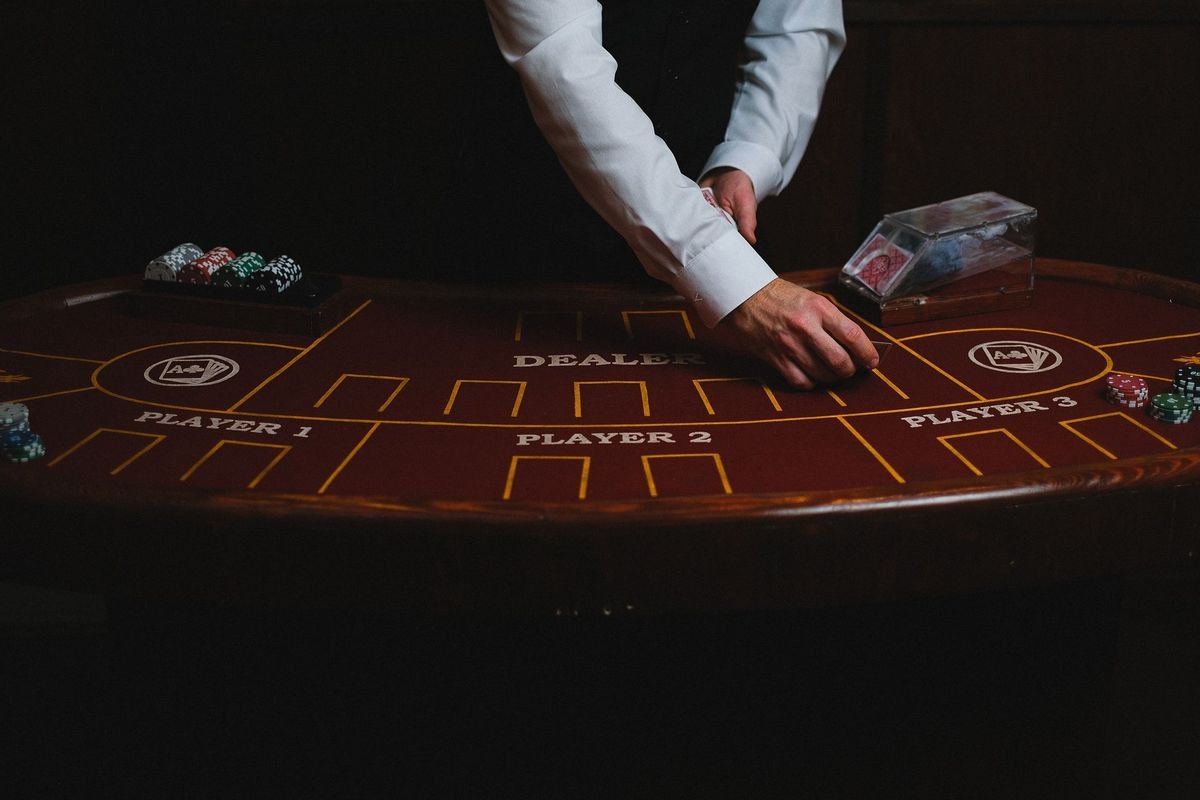
How to become a casino dealer? If you have ever watched a dealer run a blackjack table with calm, fast hands — cards out, chips stacked, payouts made without a pause — and thought “I could do that,” you are not alone. It is one of the few jobs where you can learn a real skill in weeks rather than years, start earning without a university degree, and work in an environment that never feels like a normal office. But it is also a job with real gatekeeping: training, a licence, a background check, and an audition where you have to prove you can deal under pressure.
I have put this guide together as the honest, practical version I wish I had seen before starting. No glamour, no myths about easy money, just the actual steps: what the job really involves, how dealer school works, what licensing looks like, how auditions run, what the pay and shifts are genuinely like, and the mistakes that trip beginners up. If you follow the steps in order, you will know exactly where you stand at each stage, and you will be able to decide whether this is the right move for you.
Table of Contents
How to Become a Casino Dealer: The Short Version
How to become a casino dealer, in one paragraph? Learn at least one table game properly, usually blackjack, either at a dealer school or through a casino’s own training programme. Apply for a gaming licence, which involves a background check and, in many places, fingerprinting. Pass an audition in front of the casino’s hiring team, where you deal a live game while they watch your hands, your maths, and your manner. Start on the quieter tables and slower shifts, build speed and accuracy, then add more games over time. That is the whole route. The rest of this guide is the detail that makes each step work.
One thing to settle first: you do not need to be a maths genius, and you do not need previous casino experience. What you do need is decent mental arithmetic, steady hands, a calm manner with strangers, and the patience to repeat the same procedures hundreds of times a shift without getting sloppy. Casinos can teach you the games. They cannot easily teach you composure, honesty, and reliability, so those are what they screen for hardest.
What a Casino Dealer Actually Does All Day
The job title sounds simple, but the day-to-day work is broader than most beginners expect. A dealer runs a table game — blackjack, roulette, baccarat, craps, or poker — following exact procedures for every hand, spin, or roll. You take bets, deal cards or spin the wheel, announce results clearly, pay winners, collect losing bets, and keep the game moving at the right pace. You also watch for mistakes, including your own, and you call the pit boss over whenever something needs a decision above your level.
Just as important is the social side. You are the face of the casino for the players at your table. You greet people, keep the mood light, explain the rules to newcomers without slowing the game, and stay polite to players who are losing money and not enjoying it. A good dealer makes a table feel welcoming, and regular players will come back to a table partly because of the dealer. If you like people but you also like rules and routine, the combination suits you well.
There is a physical side too. You will be on your feet for long stretches, dealing with your hands in constant motion, working in a bright, noisy, sometimes smoky room. Shifts often run late into the night and across weekends and holidays, because that is when casinos are busiest. It is not a desk job, and it should not be chosen by anyone who wants a quiet nine-to-five. But for people who enjoy the buzz, that is part of the appeal.
The Skills Casinos Look For (and How to Build Them)
Before you spend money on training, it is worth checking yourself against the skills that actually matter. Mental arithmetic comes first. In blackjack you need to add card totals instantly, calculate payouts including blackjack paying three to two, and work out chip combinations without fumbling. You can practise this at home with a deck of cards and a chip set, timing yourself until the totals feel automatic. Speed matters, but accuracy matters more: a fast dealer who pays wrong is worse than a slower dealer who pays right.
Manual dexterity comes second. Shuffling, cutting, pitching cards, stacking chips in neat towers of twenty, and pushing payouts across the felt all need practice. Your hands will feel clumsy for the first week or two, and that is normal. Ten minutes of chip handling a day, every day, builds the muscle memory faster than occasional long sessions. Watch videos of professional dealers if you can, but copy their economy of movement rather than their flourishes. Casinos want clean and consistent, not flashy.
The third skill is temperament. You need to stay calm when a player argues, stay focused when the table is quiet, and stay honest in a job where you handle other people’s money all shift. Casinos watch for this during training and auditions, sometimes more closely than they watch your technique. If you can stay friendly and steady when things go wrong, you already have an advantage over many applicants.
Dealer School vs Casino Training: Which Route to Take
There are two main ways to learn, and the right one depends on where you live. Dealer school is a private course, usually lasting somewhere from four to twelve weeks depending on how many games you study. You pay a fee, attend classes, and graduate with a certificate and the ability to deal at least one game confidently. Good schools run mock tables, teach casino procedures properly, and have contacts with local casinos that hire their graduates. Before enrolling, ask the school which casinos hired its last few classes, and be wary of any school that promises a job it cannot guarantee.
The other route is a casino’s own training programme. Some larger casinos run their own dealer schools, often free or low-cost, because they need dealers and would rather train people their way. These programmes are competitive to get into, but they are the best deal if you can get a place: you learn the house procedures from the start, you meet the hiring managers during training, and successful graduates often walk straight into an audition. Check the careers pages of casinos near you regularly, and apply the moment a training intake opens.
Either way, start with blackjack. It is the most widely dealt game, the easiest to learn properly, and the one almost every casino hires for first. Once you are working, you can add roulette, baccarat, or craps, and each extra game makes you more valuable and more likely to get the better shifts. Trying to learn four games at once as a beginner is a common mistake. Learn one game well, get hired, then expand.
Licensing and Background Checks: What to Expect
In almost every regulated gambling market, you cannot deal without a licence or work permit issued by the gambling regulator. The exact name and process varies by place, but the shape is consistent: you apply, you provide identification and fingerprints, you declare your criminal and financial history, and the regulator checks you. In Nevada, for example, gaming employees are regulated through the state’s gaming authorities, and the Nevada Gaming Control Board is the body to know about if you are looking at Las Vegas. Wherever you are, find your local regulator early and read its requirements before you spend money on training.
Be honest on the application. Regulators deal with people’s financial histories every day, and they are far more forgiving of an old problem you declared than a new one they discover. Serious fraud, theft, or gambling-related offences can disqualify you, and that is deliberate: the job puts you in charge of other people’s money. If you have a minor old conviction, do not assume it ends your chances, but do check the rules for your jurisdiction and, if needed, get advice before applying. A rejected licence application is a setback, but a licence revoked later for dishonesty is much worse.
Budget for the cost and the wait. Licence fees vary, and processing can take weeks or even months in busy jurisdictions. Some casinos will not let you start dealing until the licence is in hand, so apply as early as you are allowed to, and keep copies of everything you submit. This is the least glamorous part of becoming a dealer, but it is also the part that protects the whole industry’s reputation, so treat it seriously.
The Audition: What Happens and How to Pass
The audition is the part beginners worry about most, and honestly, it is simpler than people imagine. You will usually be asked to deal a live game — most often blackjack — in front of a pit boss or hiring manager, sometimes with staff members playing as customers. They will watch your shuffle and cut, your card handling, your payout accuracy, your game pace, and the way you talk to the table. Some auditions include a short maths test or a second game if you claim to deal one.
The biggest audition mistake is trying to look fast before you are accurate. Deal at a steady, controlled pace, announce totals and results clearly, and double-check any payout you are unsure about rather than guessing. Auditioners would rather see a careful dealer than a flashy one, because careful dealers cost the casino less in mistakes. Dress smartly, arrive early, and be polite to everyone from the receptionist onwards. Casinos notice manners, because manners are part of the job.
If you fail an audition, ask what to improve. Many casinos will tell you, and some will invite you back after more practice. A failed audition is not a verdict on your character; it usually means one specific skill — chip handling, payout speed, or game pace — needs more work. Fix that one thing, practise it daily for a few weeks, and try again. Plenty of working dealers failed their first audition.
Pay, Tips, and Shifts: The Honest Picture
Let us talk money plainly, because this is where unrealistic expectations cause the most disappointment. Base pay for a new dealer is usually modest, often around the local service-industry level, and it varies a lot by country, city, and casino. The real earnings come from tips, known as tokes, and how they work matters enormously. In some casinos, dealers keep their own tips. In others, tips are pooled and shared across all dealers on shift, which smooths out the lucky and unlucky nights. In some places, tips are a small top-up; in busy tourist casinos, they can be the larger part of your income.
That means your earnings will fluctuate. A weekend night at a busy casino can be very rewarding, while a quiet Tuesday morning can be slow. Over a month, most dealers find their income evens out to something decent, but it is rarely as high as the stories you hear about a single great night. When you are comparing job offers, ask exactly how tokes work, how often they are paid, and what a typical dealer earns across a month, not across one shift.
If you want a sense of how tipping culture works from the player’s side, my guide to how to tip casino dealers explains what players are thinking when they tip, which will help you understand your own income better.
Shifts are the other honest trade-off. Casinos run around the clock, and new dealers usually start on the least popular shifts: late nights, weekends, and holidays. You will work while your friends are out, and you will sleep while they are awake. Over time, as you gain seniority and more games, you can bid for better shifts, but the first year or two requires genuine flexibility. If you have family or study commitments that make nights impossible, be realistic about that before you commit to training.
Adding Games and Building a Career
Once you are hired and settled, your career grows by adding games and earning a reputation for reliability. Roulette and baccarat are the usual next steps after blackjack, because they are widely dealt and their procedures transfer well. Craps is the most complex game to deal, it takes the longest to learn, and it is often the best paid, because fewer dealers can do it well. Poker dealing is a separate path in many casinos, with its own rooms, pace, and tipping culture.
Beyond dealing, there are routes upward. Experienced dealers can become dual-rate dealers who sometimes supervise, then floor supervisors, pit bosses, and shift managers. Others move into training new dealers, surveillance, or casino operations. A few become specialist dealers for high-limit rooms or private events. None of these moves happen quickly, but they all start from the same place: being the dealer who is accurate, punctual, calm, and easy to work with. Reputation in a casino travels fast, in both directions.
Mistakes Beginners Make (and How to Avoid Them)
The first mistake is learning too many games at once and dealing none of them well. Master blackjack first, then add one game at a time. The second is practising only at full speed. Slow, correct repetitions build the muscle memory that later becomes speed; fast, sloppy repetitions build bad habits that are hard to undo. The third is neglecting the social side. A dealer who deals perfectly but never speaks to the table will get fewer tips and fewer returning players than a dealer who is warm and accurate.
The fourth mistake is about money management, and it matters more than people admit. Because tips fluctuate, new dealers sometimes spend a great week as if every week will be the same, then struggle in a quiet month. Treat your base pay as your budget and your tips as a bonus until you have several months of real figures. And finally, never, ever gamble where you deal or borrow from players. Casinos have strict rules about this, and breaking them ends careers instantly. Keep your work and your own gambling completely separate.
Your Step-by-Step Plan
Here is the whole route as a checklist you can work through in order. First, spend a week practising blackjack basics at home with cards and chips, and be honest about whether you enjoy the repetition. Second, research dealer schools and casino training programmes near you, and compare their costs, length, and hiring record.
Third, check your local regulator’s licensing requirements and start that process as early as you can. Fourth, complete your training and practise daily until your dealing feels automatic. Fifth, apply for auditions at several casinos, not just one, and treat each audition as practice as well as an opportunity. Sixth, once hired, learn the house procedures exactly, build your reputation, and add your second game when you are ready.
That is genuinely the whole path. It is not a shortcut, and it is not a mystery. People who succeed as dealers are rarely the most talented beginners; they are the ones who practised steadily, turned up reliably, stayed calm under pressure, and kept adding skills year after year. If that sounds like you, this is a career worth pursuing.
Conclusion
How to become a casino dealer comes down to a clear sequence: learn blackjack properly, train at a dealer school or through a casino programme, get licensed, pass an audition, and build from there. The job rewards accuracy, composure, and reliability more than flair, and it offers a way into a lively industry without years of formal study. The trade-offs are real — night shifts, fluctuating tips, and a strict licensing process — but for the right person, they are worth it.
If you are serious about it, start this week. Get a deck of cards, learn the blackjack procedures, and look up the training options and regulator requirements where you live. A year from now, you could be the calm pair of hands running a table while someone else wonders how you make it look so easy. Just remember the golden rule of the job: the players come to enjoy themselves, the house provides the game, and you are the person who makes the whole thing run smoothly. Do that well, and you will always be in demand.
Frequently Asked Questions
How long does it take to become a casino dealer?
Most beginners can learn blackjack well enough to audition within four to twelve weeks of focused training, depending on the school or programme. Adding more games takes additional weeks each, and licensing can add further waiting time, so a realistic timeline from starting training to dealing on a live floor is often two to four months.
Do I need a degree to become a casino dealer?
No. Casinos generally do not require a university degree. They require training in at least one game, a gaming licence, and a successful audition. Good mental arithmetic, steady hands, and a calm, friendly manner matter far more to hiring managers than formal qualifications.
How much do casino dealers earn?
It varies widely by location and casino. Base pay is usually modest, and tips make up a significant part of total earnings. In busy casinos, tips can be substantial, but they fluctuate from shift to shift, so monthly income varies. Always ask how tips are shared at a specific casino before accepting a job.
Is the background check for casino dealers strict?
Yes, it is thorough. Regulators check your identity, criminal history, and financial background, and you may need to provide fingerprints. Be completely honest on your application, as undisclosed problems are treated far more seriously than old issues you declared upfront.
What is the hardest part of being a casino dealer?
Most dealers say it is the shifts and the concentration, not the games themselves. Working nights, weekends, and holidays while staying accurate and friendly for a full shift takes stamina. The dealing skills become automatic with practice, but staying sharp hour after hour is the ongoing challenge.
Can I become a dealer if I have never worked in a casino?
Yes. Most new dealers have no previous casino experience. Dealer schools and casino training programmes exist precisely for beginners, and casinos expect to hire people who learned the games in training rather than on the job.
Gamble responsibly. 18+ only.