
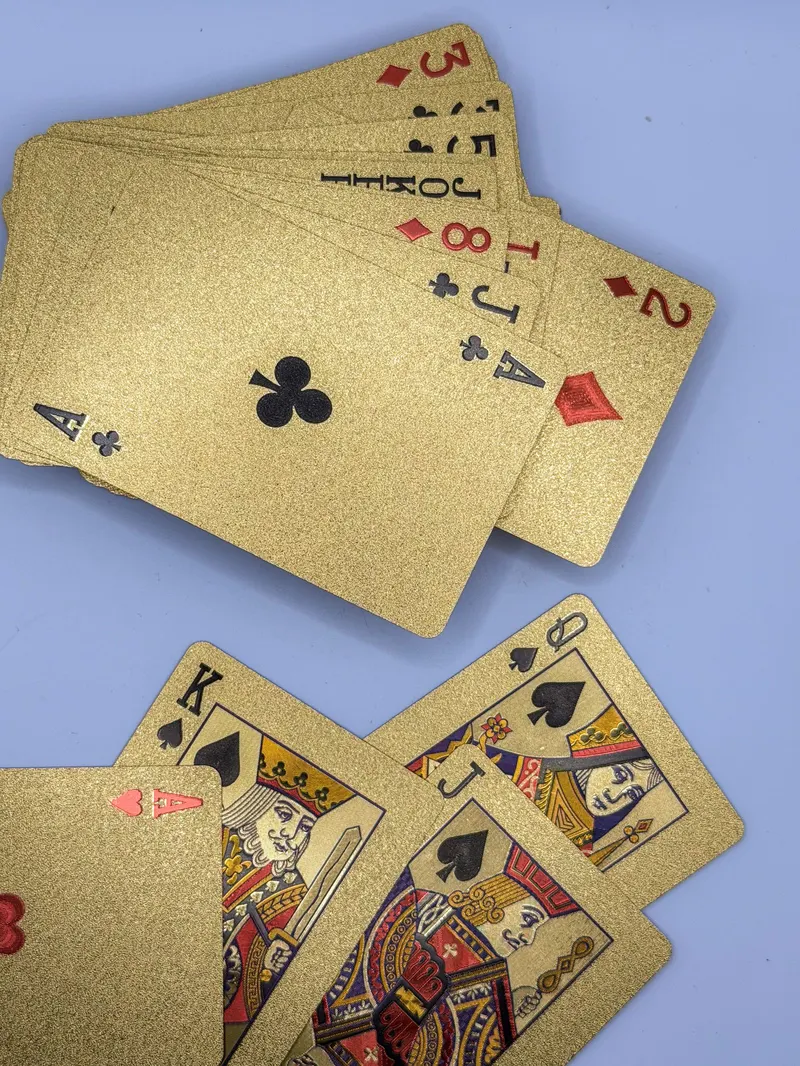
If you have ever wondered what is baccarat, you are not alone. I stood at the edge of a baccarat table once, too nervous to sit down, convinced the game was only for high rollers in fancy suits. It looked serious, quiet, and a little intimidating, and I assumed I needed a strategy degree just to place a bet.
The truth is much friendlier than that first impression. Baccarat is one of the simplest casino card games you can play, and you do not need to make a single clever decision about the cards themselves. Once someone explains it in plain language, the whole game clicks in about five minutes.
Table of Contents
What Is Baccarat, Really?
At its heart, what is baccarat but a simple guessing game between two hands? You are not the Player, by the way, and you are not the Banker either, no matter which side you back. Those are just names for the two hands on the table, and you are simply a spectator placing a bet on the outcome.
That is the part that surprises most beginners. You do not hit, stand, bluff, or outplay anyone, and there is no hand of your own to manage. The dealer handles all the cards according to fixed rules, so you can watch the hand unfold without worrying that you will make a wrong move. If you are still choosing where to start among casino games, this simplicity is a big reason baccarat often appears on lists of the best casino games for beginners.
Baccarat has been around for centuries, travelling from Europe to casinos all over the world. It earned its glamorous reputation partly because it was long associated with private rooms and big bets, but the modern game is far more open than that image suggests, with low-stakes tables and dealers used to helping newcomers.
How a Round of Baccarat Actually Plays Out
A round of baccarat moves quickly, and that speed is part of its charm. First, you place your bet on Player, Banker, or Tie before any cards are dealt. Then the dealer deals two cards to the Player hand and two cards to the Banker hand, face up, so everyone can see them.
Each hand is scored, and the hand closest to nine wins the round. If neither hand needs a third card under the drawing rules, the round ends right there, and winning bets are paid out. If a third card is needed, the dealer draws it according to strict rules, and only then is the winner decided.
That is genuinely the whole round. There is no extra round of betting and no decision for you to agonise over in the middle of the hand. You place your bet, watch the cards land, and find out whether you picked the winning side.
How Hands Are Valued (and Why Nine Is the Magic Number)
Hand values in baccarat work differently from most card games, but the system is easy once you see it. Cards two through nine are worth their face value, aces are worth one point, and tens, jacks, queens, and kings are all worth zero. Yes, zero, which feels strange at first, but it is the key to the whole game.
Here is the second rule that makes it click: only the last digit of the total counts. If a hand adds up to fifteen, its value is five, because you drop the first digit. If a hand adds up to twenty-three, its value is three, for the same reason. That is why nine is the best possible hand, and why a hand can never bust the way it can in blackjack.
Here is a quick example. Suppose the Player hand shows a seven and a six, which adds up to thirteen, so its value is three. If the Banker hand shows a king and a four, the king counts as zero, so the hand is worth four, and Banker wins. You never need to do complicated maths at the table, because the dealer announces the totals.
The Third-Card Rules in Plain Language
The third-card rules sound intimidating, and they are the one part of baccarat that makes beginners hesitate. Here is the reassuring truth: you do not need to memorise them, because the dealer applies them automatically, and they never change. Still, understanding the basics helps you follow the game without feeling lost.
The Player hand acts first. If the Player hand totals zero to five, it draws a third card, and if it totals six or seven, it stands. If the Player hand totals eight or nine, that is called a natural, and the hand ends immediately unless the other hand also has a natural. A natural is simply the best start a hand can have.
The Banker hand follows a slightly more detailed set of rules, because its decision depends on its own total and, sometimes, on the Player’s third card. In general, Banker draws on low totals and stands on higher ones. You do not need to carry a chart in your pocket, but if you ever want the full breakdown, the Wizard of Odds baccarat guide lays out the drawing rules and odds in careful detail.
Player, Banker, or Tie: Your Three Real Choices
Your only real decision in baccarat is which of the three bets to place, so it is worth understanding each one properly. A bet on Player wins if the Player hand finishes closer to nine, and it pays even money, which means a ten-dollar bet returns ten dollars in winnings plus your original stake. A bet on Banker works the same way, except for one small catch that I will explain in a moment.
A bet on Tie wins only if both hands finish with exactly the same value, and it usually pays eight to one, which sounds tempting. That big payout is the trap, though, because ties are relatively rare, and the house edge on the Tie bet is very high. It is the kind of bet that looks exciting and quietly drains your bankroll over time.
Most experienced players stick to Player or Banker and treat Tie as an occasional flutter at most. If you remember one piece of betting advice from this guide, make it this: the flashy payout is not always the smart bet.
Why the Banker Bet Has the Lowest House Edge
This is the part of baccarat that genuinely surprised me when I first learned it. The Banker bet has a house edge of about 1.06%, which is one of the lowest in the entire casino. The Player bet is close behind at about 1.24%, and the Tie bet sits far behind at roughly 14.36%. Those numbers explain why so many regular players favour Banker.
The reason Banker wins slightly more often comes down to the drawing rules. Because the Banker hand acts second and its rules are shaped around the Player’s third card, it ends up with a small mathematical advantage over time. It does not mean Banker wins every hand, but over hundreds of hands that tiny advantage adds up.
There is one catch. Casinos charge a commission, usually five percent, on winning Banker bets, precisely because that bet is so favourable. So if you bet ten dollars on Banker and win, you keep your stake and receive nine dollars and fifty cents in winnings instead of the full ten. Even after that commission, Banker remains the best-value bet on the table.
Mini-Baccarat vs Punto Banco: What Is the Difference?
If you have browsed casino floors or online lobbies, you may have seen both mini-baccarat and punto banco listed, and wondered whether they are different games. In practice, they are the same game with different table sizes, speeds, and atmospheres, and the core rules do not change.
Punto banco is the classic, larger version of the game, often played at a bigger table with more players and a slower, more ceremonial pace. Mini-baccarat is played at a smaller table, usually with lower minimum bets, and the dealer handles all the cards, which keeps the game moving quickly. For a beginner, mini-baccarat is often the friendlier starting point, simply because the stakes are lower and the pace feels less formal.
Some casinos also offer versions where players take turns dealing or squeezing the cards, which adds theatre but not new rules. My advice is simple: start with whichever version has the lowest minimum bet and the most relaxed atmosphere. The cards do not care whether the table is big or small.
Common Beginner Mistakes to Avoid
The first mistake I see beginners make is betting on Tie far too often. That eight-to-one payout is exciting, but with a house edge of around 14.36%, it is one of the worst bets in the casino, and it will eat through a bankroll much faster than Player or Banker. Treat it as a rare treat if you play it at all, not as a regular strategy.
The second mistake is chasing patterns. You will see scoreboards at baccarat tables tracking past results, and it is tempting to believe that Banker is due a win or that Player is on a hot streak. Each hand is independent, though, and past results do not change the odds of the next hand, so never raise your bets just because a pattern looks convincing.
The third mistake is forgetting about bankroll management. Because baccarat hands are quick, it is easy to play far more hands than you planned, and small losses can add up before you notice. Decide in advance how much you are comfortable spending, set a time limit as well as a money limit, and walk away when you reach either one.
Is Baccarat Worth Trying as a Beginner?
Honestly, yes, and I say that as someone who once found the game intimidating. Baccarat asks very little of you: you pick a side, watch the cards, and let the dealer handle the rest. There is no strategy to master before your first hand, no bluffing to learn, and no fear of making a mistake that ruins the hand for everyone else.
That said, baccarat is still gambling, and it deserves the same respect as any other casino game. The low house edge on Banker is a genuine advantage, but it does not turn the game into a money-making method, and no betting system can overcome the house edge over time. Play it for entertainment, with money you can afford to lose.
If you are curious, try a low-stakes mini-baccarat table or a free online version first, where the pressure is low and you can watch a few rounds before betting. Once you have seen a dozen hands, the rhythm of the game feels natural, and that early nervousness fades fast.
Frequently Asked Questions
Do I need a strategy to play baccarat?
No, you do not need a strategy to play your first game of baccarat. The dealer follows fixed drawing rules, so your only decision is whether to bet on Player, Banker, or Tie. Knowing that Banker has the lowest house edge helps, but there is no complex system you must learn first.
What happens if I bet on Banker and it wins?
You win your bet, minus a commission that is usually five percent of your winnings. For example, a ten-dollar winning Banker bet would pay nine dollars and fifty cents in profit, and you would also get your original ten dollars back. This commission exists because the Banker bet wins slightly more often than the Player bet.
Is the Tie bet ever worth it?
The Tie bet pays attractively, usually eight to one, but its house edge of roughly 14.36% makes it a poor
regular choice. It can be fun as a very occasional side bet if you accept the higher risk, but it is not a smart long-term strategy. Most experienced players avoid it or play it only rarely.
What is a natural in baccarat?
A natural is a two-card hand totalling eight or nine, which is the best possible start in the game. When a natural appears, the hand usually ends immediately, unless both hands have a natural of the same value, in which case the round is a tie. Naturals are one of the most exciting moments in baccarat, because the result is decided before any third card is drawn.
Can I play baccarat online for low stakes?
Yes, many online casinos offer mini-baccarat and live-dealer baccarat with low minimum bets, which makes them ideal for beginners. Online play also lets you watch a few rounds and learn the pace of the game without the pressure of a crowded table. Just make sure you choose a licensed, reputable casino and set a budget before you start playing.
So, what is baccarat, in the end? It is a fast, elegant card game built on one simple question: which hand will land closer to nine? You do not need to be a high roller, a maths expert, or a seasoned gambler to enjoy it, and that accessibility is a big part of its lasting appeal. Start small, favour the Banker bet, skip the Tie trap, and let the game unfold at its own pace.
If you give baccarat a try, I hope this guide makes your first table feel welcoming rather than intimidating. Take your time, watch a few hands, and remember that the best sessions are the ones where you enjoy the game and leave with your budget intact.
Gamble responsibly. 18+ only.