
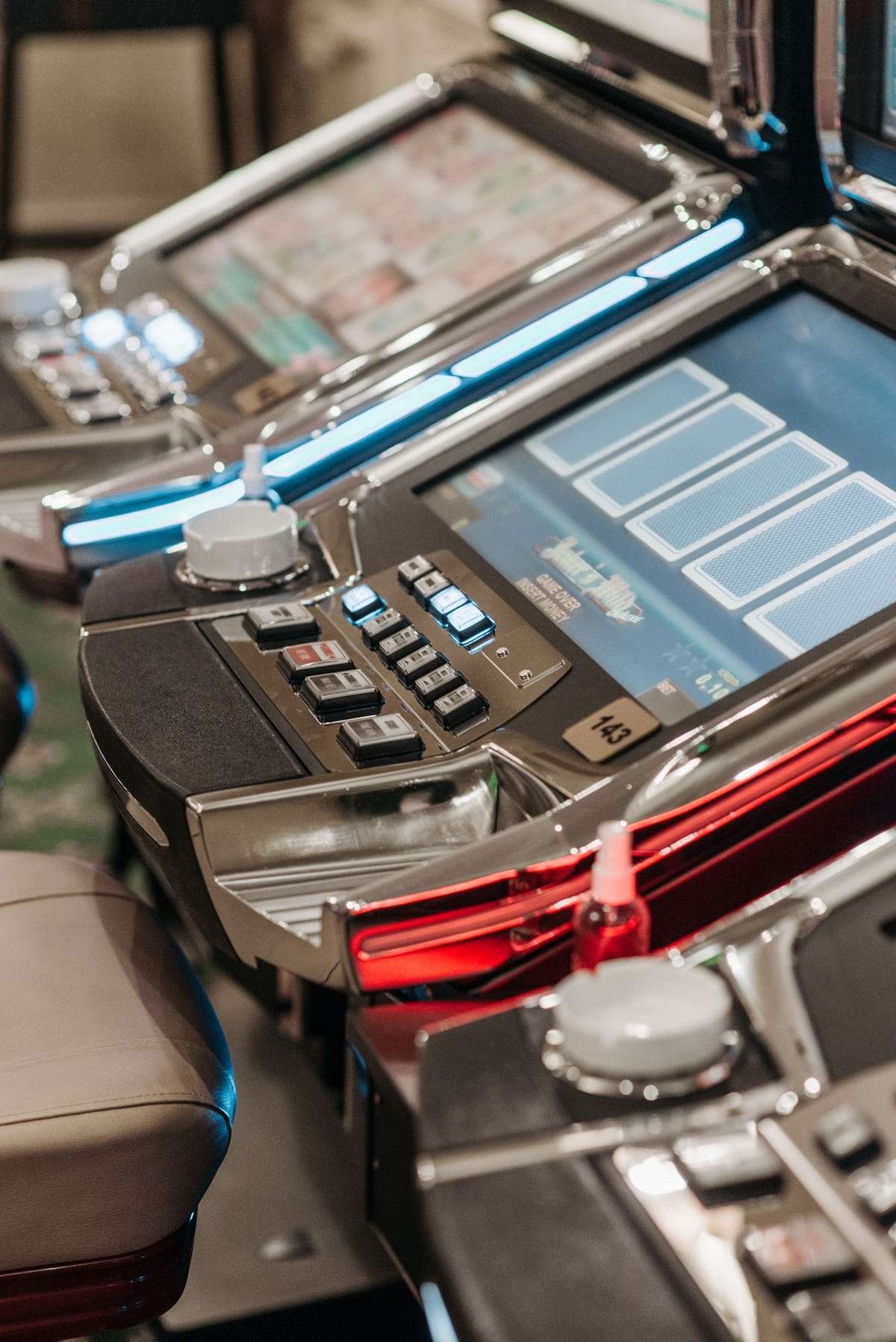
I used to walk up to a slot machine with no plan at all. I picked the brightest game, set the bet to whatever felt exciting, and kept spinning until my balance told me to stop. Some nights that felt thrilling for ten minutes. Most nights it just felt rushed and more expensive than I had intended.
That changed when I started planning a session before I played, instead of explaining it after I lost. I do not mean a secret system for beating the machine, because there is not one. I mean a slot machine strategy in the honest sense: choosing the right game for my budget, deciding my limits in advance, and giving myself a clear moment to walk away. That shift did not make me win more often, but it made my sessions last longer and stay inside an amount I was comfortable spending on entertainment.
Table of Contents
What a Slot Machine Strategy Can — and Cannot — Do
Every modern slot is run by a random number generator, and each spin is independent. The machine has no memory of your last spin or how long you have been sitting there. It is not “due” for a win, it is not “hot” or “cold” in any meaningful sense, and changing your bet does not make the next result more likely to be a jackpot.
For me, a good slot machine strategy is really a session plan, not a prediction tool. It can help you choose games with better payback, stretch a fixed budget over more spins, and stop you from chasing losses when you are tired. It cannot change the odds of any single spin or overcome the house edge over time. If you are new to the mechanics, a clear explainer on how online slots actually work is a good starting point before you worry about tactics.
How RTP Shapes Your Session More Than Luck
RTP, or return to player, is the percentage a game is designed to pay back over a very large number of spins. A game with 96% RTP is designed to return 96 units for every 100 wagered over the long run, while the house keeps the rest. That does not mean you will get 96% back in one session. In a short session, anything can happen, and that swing is exactly why slots feel exciting and unpredictable.
Still, RTP is one of the few facts I can check before I play, and that is why RTP sits at the centre of my slot machine strategy for choosing games. All else being equal, I would rather spend my budget on a 96% or 97% game than on a 92% game, because the higher figure gives my money a better chance of lasting. I look for the RTP in the game information screen, and if I cannot find it, I treat that as a reason to be cautious. The Wizard of Odds guide to slot machines is also a useful plain-language reference for payback and common misunderstandings.
Volatility: Picking the Ride That Fits Your Budget
If RTP tells you about the long-term average, volatility tells you about the shape of the ride. A low-volatility game tends to pay smaller wins more often, so your balance moves in gentler steps. A high-volatility game tends to pay less often, but when it pays, the wins can be much larger. Neither style is better in itself. The right choice depends on your budget, your patience, and how long you want to play.
I learned this the hard way. I once chose a high-volatility game with a small balance because I liked the theme, and I watched my money disappear before I ever reached a bonus round. I was not specially unlucky; I had picked a ride my budget could not afford. Now I match the game to the session I want, and I ask myself a simple test: if I hit twenty spins with no meaningful win, will I still feel calm? If the answer is no, the game is too volatile for that session, no matter how attractive the jackpot looks.
Reading the Paytable Before You Spin
The paytable is the least exciting screen in the game, and it is also the most useful. Before I spin for real money, I open it and check four things: what each symbol pays, how the paylines or ways to win work, what triggers the bonus features, and whether there is a special rule about bet size. Some games only unlock the top prize at a maximum bet, and I would rather know that before I play than discover it after a win that did not pay what I expected.
Reading the paytable is the least glamorous part of a slot machine strategy, but it saves me from the most avoidable mistakes. I have seen players assume that a wild symbol works the same way in every game. It does not. In one game it might substitute for everything, in another it might only appear on certain reels, and in a third it might expand or multiply a win. I also check whether a feature only triggers with all lines active, so I do not reduce lines to save money and accidentally reduce my chances of triggering it.
Bonus Features Worth Chasing (and Those That Are Not)
Bonus features are where modern slots get their personality: free spins, pick-and-win rounds, cascading reels, multipliers, expanding wilds, and hold-and-win games. I enjoy them, but I try not to let a flashy feature blind me to the base game. A bonus that triggers once every three hundred spins might look spectacular in a trailer, yet feel frustrating in a normal session if the base game pays very little in between.
When I evaluate a feature, I ask three practical questions. How often does it trigger in normal play, not just in a highlight video? Does it offer genuine extra value, such as free spins with a multiplier, or is it mostly animation with a small guaranteed prize? Does it fit my budget, or does it require a long, expensive build-up? I also watch out for feature-buy options, which concentrate a lot of risk into a single moment. I treat them as an occasional, deliberate choice with a separate limit, never as a way to recover losses.
Building a Bankroll and Session Plan That Actually Holds
A bankroll is simply the total amount you are willing to spend on slots over a period, such as a week or a month, and a session budget is the slice you bring to one sitting. The key rule I follow is that this money must be entertainment money, not rent money, bill money, or money I need for something else. If losing it would cause stress or change my plans, it is too much.
My slot machine strategy lives or dies on this section, because everything else is just detail if I do not respect the limit. Before I play, I decide three numbers and write them down: my session budget, my stop-loss point, and my walk-away win point. When I hit the stop-loss, I stop, no matter how close I feel to a win. When I hit the win point, I bank at least part of the profit. I also set a time limit with a phone alarm, and splitting a weekly bankroll into smaller sessions means one bad night does not end the whole week.
Bet Sizing: Finding a Stake You Can Sustain
Bet size is where theory meets reality. A stake that looks small on its own can still drain a balance quickly if you spin fast and the game is volatile. I like a simple rule of thumb: my session budget should cover at least 100 to 200 spins at my chosen stake. That does not guarantee anything, but it gives me enough spins to experience the game, reach a bonus now and then, and avoid the feeling that every spin is a make-or-break moment.
For example, if my session budget is 50 units and I want around 200 spins, I would look at a stake of about 0.25 units per spin. A sensible slot machine strategy keeps that stake steady during a normal session, because raising it after a loss does not change the odds, but it does increase how fast I can lose. Lowering my stake when I am ahead helps me protect a good result. The right stake is not the most exciting one; it is the one that lets me enjoy the session for as long as I planned.
Myths and Mistakes That Quietly Drain Your Balance
Slots attract myths because randomness is hard for the human brain to accept. The most common myth is that a machine is “due” after a long losing streak. It is not. Each spin is independent, so a machine that has not paid in an hour has exactly the same odds on the next spin as it did on the first. Believing otherwise leads to staying too long and spending more than planned, waiting for a win that is not scheduled to arrive.
Another myth is that stopping and restarting, changing games, or tapping the button in a special way can influence the result. It cannot. The mistakes that cost me the most, though, were about behaviour: playing when tired, playing to recover a loss, and playing without a time limit. A practical slot machine strategy has to include those human factors, not just numbers on a screen. If I notice I am spinning faster, raising bets without thinking, or feeling irritated rather than entertained, I treat that as a signal to stop.
Online vs Land-Based Sessions: What Really Changes
The maths of a slot does not change just because you move from a casino floor to a phone screen, but the session around it changes a lot. Online, I can check RTP more easily, play in demo mode first, set deposit limits, and pause without feeling watched. I can also play much faster, which is a double-edged sword: faster spins mean more decisions per hour, and that can drain a budget quicker than I expect if I am not paying attention.
In a land-based casino, the pace is usually slower, the atmosphere is social, and the minimum stakes are often higher. That slower pace can help a budget last longer, but the environment can also make it harder to leave, with no easy pause button and constant lights and sounds designed to keep you playing. I decide my session length before I enter and take real breaks away from the machines. Online, I use session reminders and time-outs, because willpower alone is unreliable when a game is exciting. The setting changes the temptations, not the rules.
When to Walk Away — and How to Make It Easier
Walking away is the hardest skill in slots, and it is also the most valuable. I have learned to define “done” before I start, because deciding in the moment, when I am frustrated or euphoric, almost always leads to one more spin that turns into twenty. My walk-away rules are simple: stop at my loss limit, stop at my time limit, and if I hit my win goal, bank at least half the profit and either stop or continue only at a reduced stake.
A clear slot machine strategy for walking away also includes practical tricks that remove the decision from the heat of the moment. I withdraw winnings to a separate balance when the platform allows it, I set an alarm rather than relying on my sense of time, and I plan what I will do after the session, such as watching a show or going for a walk. If I catch myself thinking “just one more spin to get back to even,” I recognise that as the exact moment to stop, because that thought is chasing, not strategy.
Frequently Asked Questions
Can a slot machine strategy guarantee a win?
No. No strategy, betting system, or pattern can guarantee a win or overcome the house edge. A good plan can help you manage your budget and choose better games, but each spin remains random and independent.
What is the best RTP to look for in a slot game?
I generally look for games with an RTP of 96% or higher when I have a choice. A higher RTP gives your budget a better long-term outlook, but it does not guarantee a result in any single session.
Should I choose a high-volatility or low-volatility game?
It depends on your budget and how you like to play. Low-volatility games tend to pay smaller wins more often, while high-volatility games pay less often but can pay larger amounts. Choose the style that lets you play comfortably for your planned session length.
How much should I bet per spin?
A useful starting point is to choose a stake that gives you at least 100 to 200 spins from your session budget. This helps your session last longer and reduces the pressure of every single spin. Adjust the stake if the game is highly volatile.
Is it better to play slots online or in a casino?
Neither option changes the randomness of the game itself. Online play often offers easier access to RTP information and account limits, while land-based play tends to be slower and more social. The best choice is the setting where you can stick to your budget and time limits most easily.
In the end, the most useful approach I have found is also the simplest: pick a game with a fair RTP and a volatility that suits my budget, read the paytable, set a steady stake, and decide my limits before I start. That does not make slots predictable, and it does not remove the house edge, but it does make the experience calmer, longer, and more enjoyable. That, for me, is what a good slot machine strategy is really for: not beating the machine, but playing on my own terms and knowing exactly when to stop.
Gamble responsibly. 18+ only.