
The first time I opened a live lightning table, I did not place a bet for a full ten minutes. I just watched the presenter, the wheel, and the flashing numbers on the screen, trying to make sense of it all. I wanted to understand how to play lightning roulette properly before I put money on numbers I did not really understand, and honestly, that quiet ten minutes saved me from a lot of beginner confusion.
This guide is the plain-language walkthrough I wish I had that night. There is no jargon for the sake of it, no promise that a system will beat the wheel, and no pretending that the lightning round is anything other than what it is: a fast, showy version of roulette with one exciting twist.
By the end, you will know what happens in a round, which bets the multipliers actually touch, what the odds really mean for your money, and how to keep a session fun instead of stressful.
Table of Contents
How to Play Lightning Roulette: What Makes It Different from Classic Roulette
The simplest way to think about it is this: the wheel is familiar, but the round has an extra twist. Once you learn how to play lightning roulette, you will notice the difference is not the wheel itself. It is what happens between betting closing and the ball landing, when a handful of numbers get struck by lightning and handed a multiplier.
In classic roulette, every number on the wheel is worth the same to you before the spin. In this version, some numbers suddenly become much more valuable for that round only, and only if you backed them with the right kind of bet. That single change alters the whole feel of the game. Rounds feel more dramatic, wins on a lucky number feel bigger, and the waiting time between the spin and the result carries a little extra tension.
If the basics of the wheel still feel new to you, start with this classic roulette basics guide first, then come back here. Everything below will make more sense once you know your way around red and black, odd or even, and the layout of the betting grid.
One thing I want to be clear about from the start: this is a live-dealer game, streamed from a studio with a real presenter and a real wheel. It is not a slot machine dressed up as roulette, and it is not available in every casino lobby. If your usual casino does not carry a lightning table, that is normal. Availability varies by provider and region, so check the live casino section rather than assuming every site offers it.
The Wheel and Studio Setup
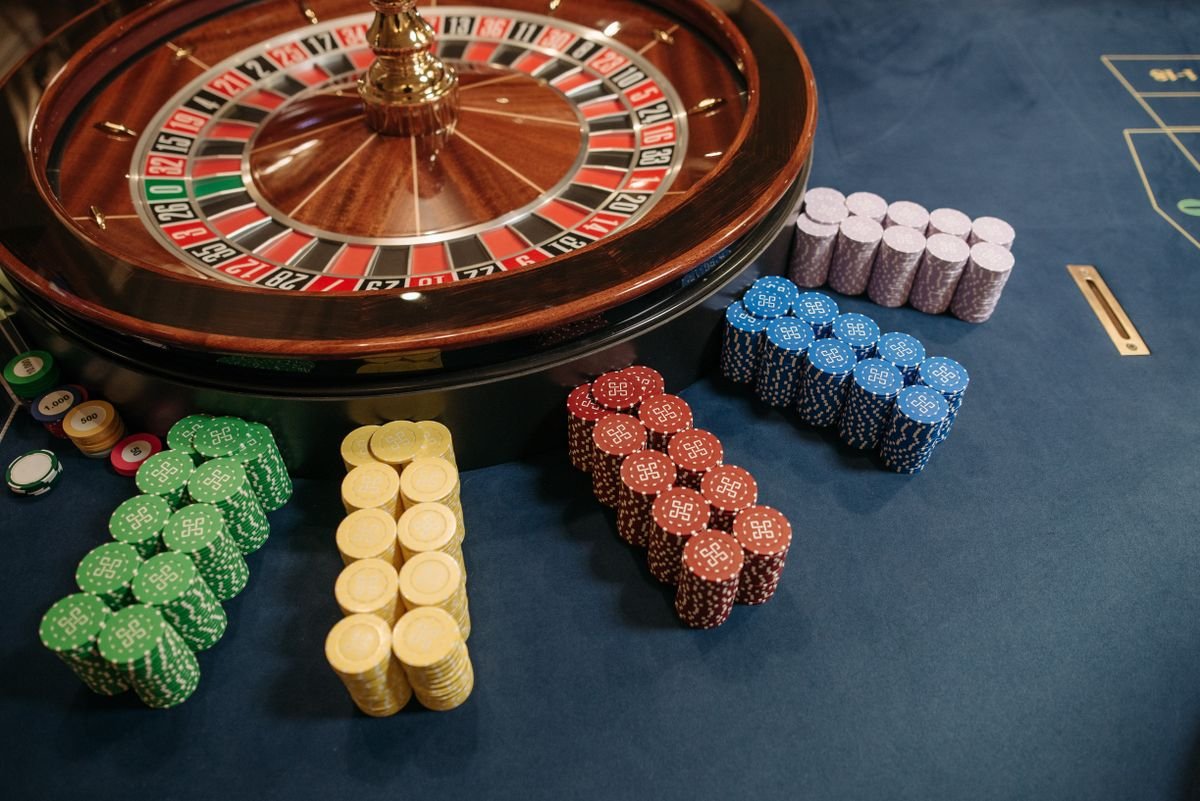
The studio is half the appeal, and watching it helped me understand how to play lightning roulette far better than reading a rules page ever did. You will see a real roulette wheel, a presenter who runs the game and chats with players, and a large screen or graphic overlay that shows the betting grid, the countdown timer, and the lucky numbers when they appear.
Your screen shows a digital version of the betting table. You pick a chip value, click the spots you want to back, and watch your bets light up on the grid. The presenter cannot see your individual bets, and other players cannot see yours either, so there is no pressure to copy what anyone else is doing.
What struck me most on my first session was the pace. The studio feels like a television show, with music, lighting, and a presenter who keeps the energy up. That atmosphere is fun, but it can also make you bet faster than you planned. I learned to keep my chip value small at first and to ignore the showbiz side of it until the rhythm of the rounds felt natural.
The wheel itself works like any roulette wheel. The ball spins around the rim, loses speed, and drops into a numbered pocket. Nothing about the lightning changes the physics of that part. The drama comes from the multiplier layer added on top, not from a different kind of wheel.
How a Round Works, Step by Step
Here is the rhythm I follow when I sit down for a round, and it is the clearest way to picture how to play lightning roulette from start to finish.
First, the betting window opens. You choose your chip size and place your bets on the grid, just as you would at a normal table. You can back single numbers, groups of numbers, colours, odd or even, and the other standard spots. A countdown timer shows how long you have left, and when it runs out, betting closes.
Next comes the lightning draw. After betting closes, a random draw picks a handful of numbers and assigns each one a multiplier. These are the lucky numbers for that round, and they are shown clearly on screen with their multipliers attached. This draw happens before the ball settles, so you already know which numbers carry the extra value while you watch the spin.
Then the presenter spins the wheel and releases the ball. The camera follows the ball as it bounces around the rim and finally drops into a pocket. If it lands on a number you backed, you win according to the type of bet you placed.
Finally, payouts are worked out. If the winning number was also a lucky number and you backed it with a straight-up bet, the multiplier applies to your win. If it was a lucky number but you backed it only through a group bet, the multiplier does not apply. That detail catches out a lot of new players, so it is worth remembering before your first session.
Straight-Up Bets, Lucky Numbers, and Multipliers
The heart of how to play lightning roulette well is knowing exactly which bets the multipliers touch. A straight-up bet means backing one single number on its own. It is the only bet type that can catch a multiplier, and that rule shapes every decision at a lightning table.
When the lightning draw names its lucky numbers, each one carries a multiplier that can reach very high values. If you placed a straight-up bet on one of those numbers and the ball lands there, your payout is boosted by that multiplier instead of paying at the ordinary rate. If the ball lands on a number that was not struck, a straight-up win still pays, but at an adjusted rate that is lower than the standard payout at a classic table. The trade-off is built into the game: the chance of a boosted win is paid for by a smaller payout on ordinary straight-up wins.
This is why I treat straight-up bets at a lightning table as the spice, not the main course. Backing one or two favourite numbers with small stakes keeps the excitement alive without turning every round into an all-or-nothing gamble. Covering lots of single numbers at once looks clever, but it spreads your stake thin and usually leaves you frustrated when the ball lands somewhere you did not cover.
I also keep a simple habit: before each round, I glance at my straight-up bets and ask myself whether I would still be happy with them if no multiplier appeared. If the answer is no, my stakes are too high or I am chasing the lightning rather than playing the game.
Other Bet Types and Payouts
You do not have to chase multipliers on every spin, and a sensible way to approach how to play lightning roulette is to mix in the steadier bets alongside a small straight-up flutter. The table offers the same broad families of bets you will find at a classic game: colours, odd or even, high or low, dozens, columns, and combinations like splits and corners that cover two or four numbers.
Outside bets, such as red or black, win more often but pay at lower rates. They will never catch a multiplier, no matter how lucky the round feels, because multipliers only apply to straight-up bets. That makes them a useful anchor for your session. A small outside bet keeps you in the game while you wait for a straight-up number to come in, and it softens the long stretches where single numbers miss.
Inside combination bets, like splits and corners, cover more than one number with a single chip placement. They win more often than a lone straight-up bet, but they do not attract multipliers either. I think of them as a middle ground: a bit more coverage than a single number, without the boosted-payout dream attached.
The practical lesson is to build your round around what each bet can actually do. If you want a shot at a multiplier, you need a straight-up bet on the right number. If you want steadier, smaller returns, outside and combination bets do that job. Mixing the two is fine, as long as you know which part of your stake is doing which job.
How the RNG Lightning Strikes Work
The lightning part is where most new players get curious, and it is simpler than it looks once you separate the show from the mechanics. The draw that picks the lucky numbers is made by a random number generator, a piece of software that produces random outcomes, and it runs independently of the wheel, the presenter, and every round that came before it.
That independence matters more than most people realise. A number that was struck in the last round has no better or worse chance of being struck in the next one. The generator does not remember, does not favour favourites, and does not balance things out after a quiet spell. Each round starts fresh, which means patterns you think you see in recent lucky numbers are just your brain doing what brains do with random events.
The presentation is deliberately dramatic: lightning bolts, flashing numbers, and a big reveal on screen. That drama is entertainment, not information. It does not mean a number is due, hot, or somehow more likely to win. The ball still has to land on that number for the multiplier to matter, and the wheel does not know or care which numbers were struck.
I find this reassuring rather than disappointing. Once you accept that the draw is random and independent, you stop wasting money chasing numbers that were lucky three rounds ago. You can enjoy the show for what it is and make your betting decisions on stake size and bet type instead of hunches about the lightning.
Odds and House Edge in Plain Terms
A big part of learning how to play lightning roulette sensibly is accepting that the house edge never goes away, multipliers or not. The house edge is simply the small built-in advantage that means the casino expects to keep a portion of all money wagered over a long period. It does not mean you cannot win on a given night. It means that over thousands of spins, the maths tilts slightly in the casino’s favour.
Think of it this way. A straight-up bet on a single number wins rarely but pays well when it does. An outside bet on red or black wins often but pays modestly. Neither type of bet is secretly better than the other in the long run, because the payouts are set so that the house keeps its edge either way. The multipliers change the shape of the straight-up payouts, making the rare wins potentially much larger and the ordinary straight-up wins smaller, but they do not remove the edge itself.
This is also why betting systems that promise to beat the wheel should be treated with deep scepticism. Doubling your stake after a loss, or following a pattern of numbers, does not change the odds of the next spin. The wheel has no memory, the generator has no memory, and no staking pattern can turn a negative-expectation game into a profitable one.
Licensed operators are overseen by regulators such as the UK Gambling Commission which sets rules around fairness and player protection for the markets it covers. Playing at a licensed casino does not change the house edge, but it does mean the game is expected to run fairly and that support options exist if something goes wrong.
Bankroll and Session Tips
My personal rule for how to play lightning roulette without spoiling the fun is to decide my session budget before I open the table, not after I have already started betting. I pick an amount I am comfortable losing entirely, because that is a real possibility on any night, and I treat anything I bring home as a bonus rather than an expectation.
Splitting that budget into small, equal stakes is the next step. If your whole session budget goes on a handful of big straight-up bets, a short cold run can end your evening in minutes. Smaller stakes stretch the same budget across many more rounds, which means more spins, more lightning draws to enjoy, and far less pressure on any single result.
I also set a time limit alongside the money limit, and I keep both visible. A phone timer works fine. When either limit is reached, I stop, whether I am up or down. Walking away while ahead feels strange at first, but it is the only way to actually keep a winning session as a winning session.
One more habit that has saved me more than once: I never top up mid-session to chase back losses. Topping up turns a planned entertainment budget into an open-ended one, and the decisions made after a losing run are rarely the clearest ones. If the budget is gone, the session is over, and there will be another evening.
Common Beginner Mistakes
One mistake I see when people first try how to play lightning roulette is betting only on numbers that were lucky in recent rounds. It feels logical, as though lightning might strike twice, but the draw is random each round, so yesterday’s lucky numbers carry no special weight today. Chasing them usually just means paying for someone else’s excitement.
Another common slip is covering too many single numbers at once. Placing straight-up bets on half the board feels like buying coverage, but each chip still only wins if its own number lands. Most of the time you watch most of your stake lose, and the occasional win rarely covers everything you spread around. A few well-chosen numbers with small stakes is a calmer way to play.
A third mistake is forgetting that multipliers only apply to straight-up bets. I have watched new players celebrate a lucky number landing, only to realise they had backed it through a group bet and the multiplier did not apply. Check your bet type before the spin, not after the result, because the distinction is everything at this table.
Finally, watch the timer. The betting window is short, and it is easy to fumble with chip sizes and miss the window entirely, or to rush a bet you did not mean to place. I place my main bets early in the window and leave the last few seconds alone, which keeps rushed mistakes out of my game.
Live-Dealer Etiquette and Pace
A lightning table is a shared space, even though everyone bets privately. The presenter is running a show for dozens or hundreds of players at once, and a little courtesy goes a long way. The chat box is there for light conversation, not for complaints about results, arguments with other players, or demands that the presenter change how the game runs.
Pace is the other thing to respect. Rounds move quickly, and the betting window closes whether you are ready or not. If you miss a round, that is fine. There will be another one in a minute, and jumping in late with a rushed bet is worse than sitting one out. I often skip a round on purpose when I want to rethink my stakes, and nobody notices or minds.
Never blame the presenter for a result. They spin the wheel and host the game, but they do not decide where the ball lands or which numbers the generator picks. A friendly table is a more enjoyable table, and the presenter sets the tone that everyone else follows.
It is also worth remembering that other players are watching the same screen you are. Celebrating a win is great, but long boasts in the chat after every hit wear thin fast. A short, good-natured comment and then back to the game keeps the mood pleasant for everyone, including you.
A Quick Responsible-Play Note
Lightning roulette is designed to be exciting, and that excitement is exactly why it deserves a clear boundary. Before you play, decide how much time and money the session is worth to you as entertainment, and treat that decision as seriously as any other part of your evening.
Watch for warning signs in yourself: betting more than you planned, feeling irritated or desperate after losses, hiding your play from people close to you, or thinking of the next round as a way to fix the last one. Any of those is a good reason to step away, not to keep going.
Most licensed casinos offer practical tools that help, such as deposit limits, session reminders, and self-exclusion options. Setting a deposit limit before you start is far easier than trying to exercise willpower in the middle of a losing run. If gambling ever stops feeling like entertainment, support organisations in your country can offer free, confidential help, and reaching out early is always better than waiting.
Conclusion
If you take one thing from this guide on how to play lightning roulette, let it be this: enjoy the spectacle, respect the maths, and keep your stakes small enough that a quiet night never stings. The lightning is a thrilling addition to a classic game, but it does not change the fundamentals. The wheel is random, the multipliers only touch straight-up bets, and the house keeps its edge over time.
Start slowly, mix a small straight-up flutter with steadier bets if you like, and give yourself permission to sit out a round whenever you need a breather. Played that way, a lightning session is a lively, sociable way to spend an evening, with the occasional boosted win as a genuine surprise rather than something you were counting on.
Most of all, keep it in its place: entertainment with a price, not a way to make money. Set your budget, set your timer, and when either runs out, close the table with the same good humour you brought to it.
Do I need to know classic roulette before trying the lightning version?
No, you can start with the lightning version directly, but knowing the classic game helps a lot. The wheel, the betting grid, and the basic bet types are the same, so a little familiarity means you can focus on the multiplier twist instead of learning everything at once. If you are brand new, watch a few rounds without betting first.
What exactly is a lucky number?
A lucky number is a number chosen by a random draw after betting closes, with a multiplier attached to it for that round only. If the ball lands on a lucky number and you backed it with a straight-up bet, your payout is boosted by that multiplier. Lucky numbers change every round, so a number that is lucky now will not necessarily be lucky again soon.
Do multipliers apply to outside bets like red or black?
No, multipliers only apply to straight-up bets on a single number. Outside bets such as red or black, odd or even, and dozens keep their ordinary payouts even when the winning number was struck by lightning. If you want a chance at a multiplier, you need a straight-up bet on the number itself.
Can I predict which numbers will be struck by lightning?
No, the draw is random and independent each round, so past results give no clue about future ones. A number that appeared several times recently is no more or less likely to appear next. Anyone selling a system that claims to predict the draw is selling hope, not information.
Is it better to bet only on straight-up numbers?
Not necessarily, because straight-up bets win rarely, and long losing runs are normal even when the game feels exciting. Mixing in steadier outside bets can stretch your session and keep the experience enjoyable. The best approach depends on your budget and temperament, not on chasing the biggest possible payout every round.
Gamble responsibly. 18+ only.