
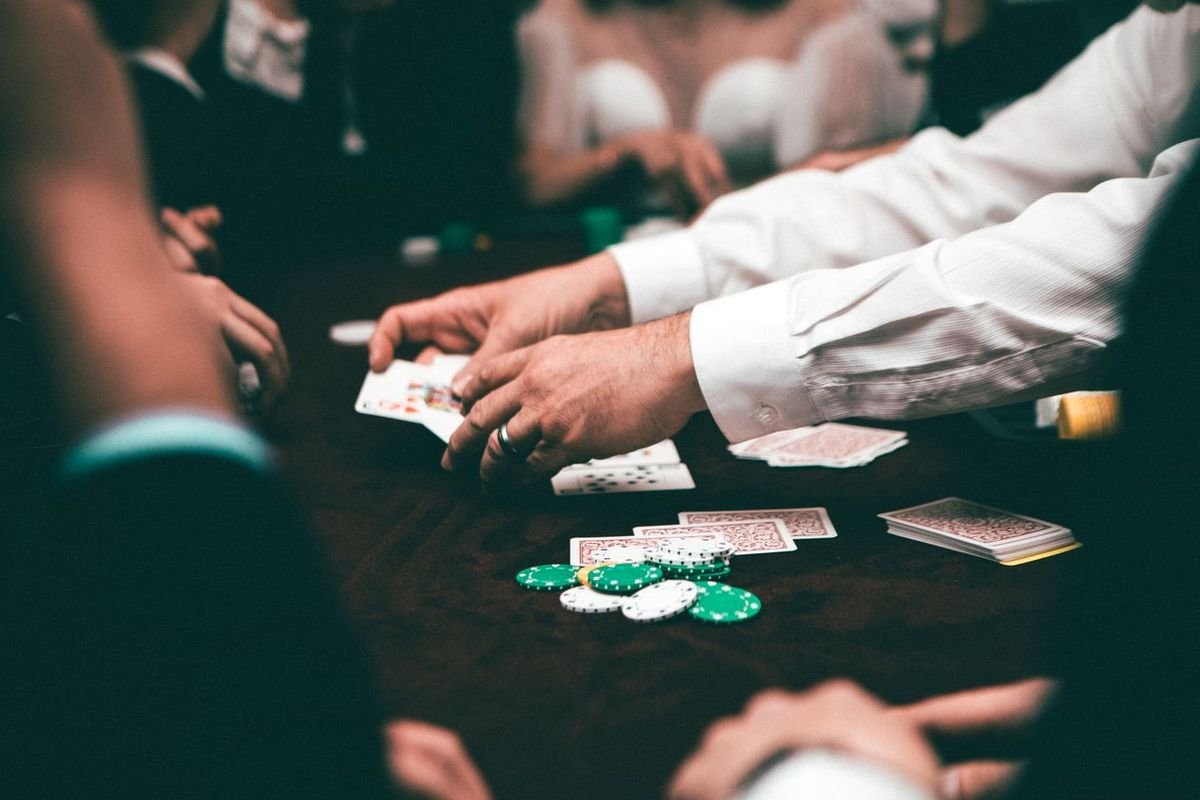
I will be honest with you: the first time I tried to bluff in a real poker game, I made a complete mess of it. I had watched too many dramatic movie scenes, I felt brave for about three seconds, and then I pushed a pile of chips forward with a hand that had no chance at all. Everybody folded except one player, who calmly turned over a much better hand. That embarrassing hand taught me something valuable. Bluffing is not about courage or a perfect poker face. It is about telling a believable story at the right time, against the right person, for the right price.
If you are learning how to bluff in poker, this guide is for you. I will walk you through what a bluff really is, when it works, when it does not, how much to bet, and how to recover when someone catches you. No magic tricks, no promises of easy wins, and no encouragement to gamble money you cannot afford to lose. Bluffing is one tool in a much bigger game, and like any tool, it works best when you use it with care.
Table of Contents
How to Bluff in Poker: What a Bluff Really Is
Let me start with the simplest definition I know. A bluff is a bet or a raise made with a hand that is probably not the best hand right now, in the hope that your opponent will fold a better one. You are offering your opponent a difficult decision, and you are hoping the pressure, the story you have told so far, and the size of your bet make folding feel safer than calling.
A good bluff has to make sense. Imagine the community cards show three hearts, and you have been betting confidently on every round. If you make one more strong bet on the river, your story is consistent: you could easily have a flush. Now imagine the opposite. The board is low, disconnected, and harmless, you have checked twice, and suddenly you shove a huge bet. That story does not add up, and a thinking opponent will notice. In my experience, the bluffs that work are rarely the boldest ones. They are the ones where every action you took earlier supports the hand you are now pretending to have.
It also helps to understand what a bluff is not. It is not a way to win every pot, and it is definitely not a rescue plan for a hand you have already misplayed. If you find yourself bluffing because you are frustrated, bored, or desperate to win your money back, stop. That is not strategy. That is tilt, and tilt turns a small loss into a big one fast. A real bluff is a calm, planned decision made before you touch your chips, not a reaction made in anger after a bad beat.
Position: Why Where You Sit Changes Everything
If one idea improved my bluffing more than any other, it is position. Position simply means where you sit relative to the dealer button, and whether you act before or after your opponents. When you act last, you have a huge advantage: you have seen what everyone else did before you decide. When you act first, you are guessing in the dark.
That is why so much advice about how to bluff in poker comes back to position. Bluffing from late position is usually far easier. Suppose everyone checks to you on the river. That check often means weakness, or at least uncertainty, and a well-sized bet now puts real pressure on those players. Bluffing from early position is much harder, because you have to bet into several players who have not acted yet, and any one of them might have a strong hand. I still bluff from early position sometimes, but only when the board and the action strongly support my story, and usually against just one opponent.
Position also affects what the table learns about you. When you bluff last and your opponent folds, you never have to show your cards, and you keep your mystery intact. When you bluff first and get called, you often have to show a weak hand. Neither outcome is the end of the world, but position does not just change your chances in one hand. It changes what the table knows about you for the next ten hands as well.
Reading the Board: Does Your Story Make Sense?
Before I bluff, I always ask myself one question: if I really had the strong hand I am pretending to have, would I have played this hand exactly this way? If the answer is no, I usually do not bluff. This is what experienced players mean when they talk about board texture, and it is simpler than it sounds.
Some boards are scary for your opponent. A board with three cards of the same suit, or four cards in sequence, makes big hands possible, and a confident bet there can genuinely frighten someone holding a medium-strength hand. Other boards are dry and harmless, like a rainbow board with low, unconnected cards. On a dry board, there are fewer scary hands you could be representing, so your opponent is more likely to call with a decent pair. That does not mean you can never bluff on a dry board, but you need a better reason, a better read, or a smaller, cheaper bluff.
I also pay attention to how the board changes from street to street. A card that completes an obvious draw is a natural bluffing card, because it fits the story of a hand that just got stronger. A card that changes nothing is a much weaker bluffing card, because your opponent’s hand is just as good as it was a moment ago. Building a solid foundation helps here too: if you want a refresher on which hands are worth playing in the first place, this guide to Texas Hold’em starting hands is worth a read. Strong fundamentals make your bluffs more believable, because you are not trying to rescue weak hands all night.
Knowing Your Opponent: Not Everyone Can Be Bluffed
Here is a truth that took me far too long to accept: some players simply cannot be bluffed, and trying is just throwing money away. People sometimes call these players “calling stations.” They love to see a showdown. They call with middle pair, they call with a weak top pair, and they sometimes call with almost nothing, just out of curiosity. Against a player like that, bluffing is usually pointless. The best move is the opposite: bet your strong hands for value, and save your bluffs for another day.
On the other end of the scale, there are tight, cautious players who fold far too often. These are the ideal targets, especially if they have shown weakness by checking or by betting small and looking uncertain. A player who only continues with very strong hands will fold a huge portion of their range to a confident bet. The trick is to notice who is who before you risk your chips. Watch a few hands without playing. Who folds to pressure? Who calls everything? That observation time pays for itself many times over.
I also think about how many opponents I am facing, because this is a core part of knowing how to bluff in poker sensibly. Bluffing one player is hard enough. Bluffing two is much harder, because you need both of them to fold. Bluffing three or more is usually a bad idea unless the board is terrifying and everyone has shown real weakness. As a simple rule I still follow: the fewer opponents left in the pot, the more I consider bluffing. The more opponents, the more I need a real hand.
Sizing Your Bluff: Big Enough to Work, Small Enough to Survive
Bet sizing is where many beginners, including the younger version of me, get into trouble. We either bet so small that our opponent can comfortably call, or we bet so big that we risk a fortune to win a tiny pot. Neither is good. A bluff needs to be large enough to make your opponent uncomfortable, but not so large that you are risking far more than the pot is worth.
Think about it from your opponent’s point of view. If the pot is 100 chips and you bet 20, your opponent only needs to be right a small fraction of the time to justify a call. They are getting a great price, and most decent players will take it. If you bet 75 or 100 into that same pot, calling becomes a much bigger commitment, and a player with a marginal hand has a genuine dilemma. You do not always need to bet the full pot, but you do need to bet enough that folding feels like a reasonable choice for them.
At the same time, keep the risk-to-reward balance in mind, because sizing is a big part of how to bluff in poker without bleeding chips. If you are risking 200 chips to win a pot of 40, you need your bluff to work almost every time just to break even, and that is unrealistic. Before you bet, ask yourself how often this bluff needs to succeed to be profitable. If the answer is “almost always,” the bluff is probably too expensive. If the answer is “roughly half the time or less,” and your read is good, the bluff starts to look much more reasonable.
Semi-Bluffs vs Pure Bluffs: The Safer Way to Be Aggressive
Not all bluffs are equal, and this distinction changed my game more than almost anything else. A pure bluff is a bet with a hand that has almost no chance of winning if you get called. You are relying entirely on your opponent folding. A semi-bluff is a bet with a hand that is not the best right now, but could become the best hand if the right card comes. Classic examples are a flush draw or an open-ended straight draw. You might win immediately if your opponent folds, and you might still win later if you hit your draw.
If you are new to bluffing, semi-bluffs are the friendlier place to start. They give you two ways to win, which means you do not need your opponent to fold nearly as often for the play to make sense. They also tell a natural story, because a player with a draw often bets aggressively, and your opponents expect that. When I am learning a new table, I lean heavily on semi-bluffs and keep pure bluffs rare. It keeps my losses smaller, and it keeps my confidence intact.
Pure bluffs still have a place, but I treat them like a spice, not the main meal. I use them when the board is scary, when my opponent has shown clear weakness, when I am in position, and when the story I have told all hand long points to exactly one strong hand. If several of those conditions are missing, I usually check and move on. There will always be another hand, another pot, and another chance. You do not need to force a pure bluff in a spot that is not right for it.
How Often Should You Bluff? Frequency and Balance
This is the question I get asked most often, and the honest answer is: it depends, and anyone who gives you a single magic percentage is oversimplifying. In theory, good players aim for a balance. If you never bluff, observant opponents will simply fold whenever you bet big, because they know you always have it. If you bluff all the time, those same opponents will start calling you down with anything, because they know you usually have nothing. The sweet spot is somewhere in between, where your opponents cannot be sure whether your big bet means strength or a bluff.
In low-stakes, casual games, I tend to bluff less than theory might suggest, especially against loose, curious players who call too much. There is no point in balancing perfectly against someone who is not paying attention to your balance. Against thoughtful, observant opponents, though, balance matters a lot more. If you have shown down strong hands after betting confidently, a well-timed bluff becomes much more believable, because your opponents have seen you bet big with real hands. Your bluffs borrow credibility from your value bets.
A practical approach that works for me is to pick my spots rather than count my bluffs, and that is the most useful way I know to think about how to bluff in poker over a long session. I ask whether the board, the position, the opponent, and the bet size all line up. If three or four of those factors are in my favour, I consider bluffing. If only one is, I usually do not. That selective approach naturally produces a sensible bluffing frequency without me having to force a quota. Bluffing should feel like a decision, not a duty.
Beginner Mistakes That Make Bluffs Fail
Let me share the mistakes I see most often, because I have made every single one of them. The first is bluffing too often. When you are new and you discover that bluffing feels exciting, it is tempting to try it in every other hand. The table notices quickly, and before long, someone will call you just to see what you have. Once that happens, your bluffs stop working for a while, and you have to rebuild your credibility slowly.
The second mistake is bluffing against the wrong players. I have already mentioned calling stations, but the same warning applies to very short-stacked players who feel committed to the pot, and to players who have already invested so much that folding feels painful. A player who is pot-committed is not folding, no matter how confident you look. Save your chips and wait for a better target.
The third mistake is telling an inconsistent story. If you played passively all hand and then suddenly blast a huge bet on the river, experienced players will smell a bluff. Your betting pattern has to match the hand you claim to have. And the fourth mistake, which is perhaps the most human of all, is bluffing while emotional. If you just lost a big pot, or you are tired, or you are chasing your losses, your judgement is compromised. In those moments, the best bluff is no bluff at all. Stand up, take a break, and come back with a clear head.
Bluffing Online vs Live: Two Different Games
Bluffing online and bluffing live feel like two different skills, even though the cards are the same. In a live game, you have physical information: how quickly someone bets, whether their hands shake, whether they avoid eye contact, whether they suddenly go quiet. Some of that information is useful, and some of it is misleading, because good players know how to fake it. I try not to over-rely on any single physical tell. Instead, I watch for patterns over time: does this player always bet fast with a strong hand and hesitate with a weak one? That kind of pattern is far more reliable than one nervous glance.
Online, those physical cues disappear completely, and timing and betting patterns take their place. A player who instantly checks may be distracted or weak. A player who takes a long time and then raises may be genuinely thinking, or may be acting. The most reliable online reads, in my experience, come from bet sizing and showdown history. The UK Gambling Commission is also worth knowing about if you play online in the UK, because playing on properly licensed and regulated sites is part of keeping your play safe and fair.
One practical difference matters a lot: online games move much faster, so you see far more hands per hour, and that means more chances to bluff — and more chances to lose money bluffing badly. It is easy to click “bet” without thinking when you are playing several tables at once. My rule for online play is simple: if I would not make the same bluff in a live game after thinking it through, I do not make it online either. Speed is not a strategy.
Getting Caught: How to Handle It Like a Grown-Up
Sooner or later, you will get caught bluffing. It happens to everyone, including professionals, and how you handle it matters more than the hand itself. The first thing I do is stay calm. I do not apologise, I do not make excuses, and I definitely do not try to win the chips back immediately with an even bigger bluff. Getting caught is not a humiliation. It is information, for you and for your opponents, and it is part of the game you chose to play.
In fact, getting caught occasionally can actually help you. Once your opponents have seen you bluff, they are more likely to call your future bets, and that is wonderful news when you actually have a strong hand. Your value bets start getting paid off more often, because nobody is quite sure whether you are bluffing again. I think of a caught bluff as an investment in my future credibility, as long as I do not make a habit of it. One caught bluff in a session is a story. Five caught bluffs in a session is a pattern, and patterns get exploited.
If getting caught rattles you, take a short break. Get some water, step away from the table, and remind yourself that one lost pot does not define your session. The players who last in poker are not the ones who never get caught. They are the ones who can lose a bluff, shrug, learn from it, and play the next hand with the same calm judgement as before. Ask yourself what went wrong: was it the opponent, the board, the size, or the timing? Write that lesson down mentally, and use it next time. That is how a caught bluff becomes a better bluff later.
Frequently Asked Questions
Should beginners bluff at all?
Yes, but sparingly, and mostly through semi-bluffs rather than pure bluffs. Start with hands that have a chance to improve, pick spots where you are in position against one cautious opponent, and keep your bet sizes sensible. As your reading skills improve, you can gradually add more pure bluffs to your game.
How do I know if someone is bluffable?
Look for signs of weakness and caution: checks when they could bet, small bets that look like they want a cheap showdown, and a history of folding to pressure. Tight players who only continue with strong hands are usually the best targets. Avoid loose players who call with almost anything, because no story will convince them to fold.
What is the biggest bluffing mistake beginners make?
Bluffing too often, and bluffing against the wrong people. Many beginners fall in love with the excitement of bluffing and try it in every session, against every opponent, on every board. Selective, well-timed bluffs work far better than constant aggression, and choosing the right opponent matters just as much as choosing the right cards.
Can you bluff successfully without a good poker face?
Absolutely. A poker face helps in live games, but it is far less important than a consistent story, good timing, and sensible bet sizing. Online players bluff successfully every day with no face to hide behind at all. Focus on your betting pattern and your decisions, and let those do the talking instead of your expression.
How do I recover after a bluff goes badly wrong?
Take a breath, accept the loss, and do not chase it. Review what went wrong — the opponent, the board, the size, or the timing — and note the lesson for next time. Remember that learning how to bluff in poker includes learning how to lose a bluff gracefully, because even the best players get caught sometimes.
If you take one thing from this guide, let it be this: bluffing works best when it is selective, believable, and affordable. Choose your spots with care, respect your position, read the board honestly, pick opponents who can actually fold, and size your bets so that folding feels like a sensible choice for them. Lean on semi-bluffs while you are learning, keep pure bluffs rare and well-timed, and treat getting caught as a lesson rather than a disaster. That patient, thoughtful approach will win you more pots over time than any amount of dramatic, reckless aggression ever will.
Poker is a wonderful game precisely because it mixes maths, psychology, and patience, and bluffing sits right at the intersection of all three. Enjoy learning it, take your time, and never risk money you cannot afford to lose. The best bluffers I know are not the loudest players at the table. They are the calmest ones, the ones who wait, watch, and strike only when the story makes sense — and that, in the end, is what knowing how to bluff in poker really comes down to.
Gamble responsibly. 18+ only.