
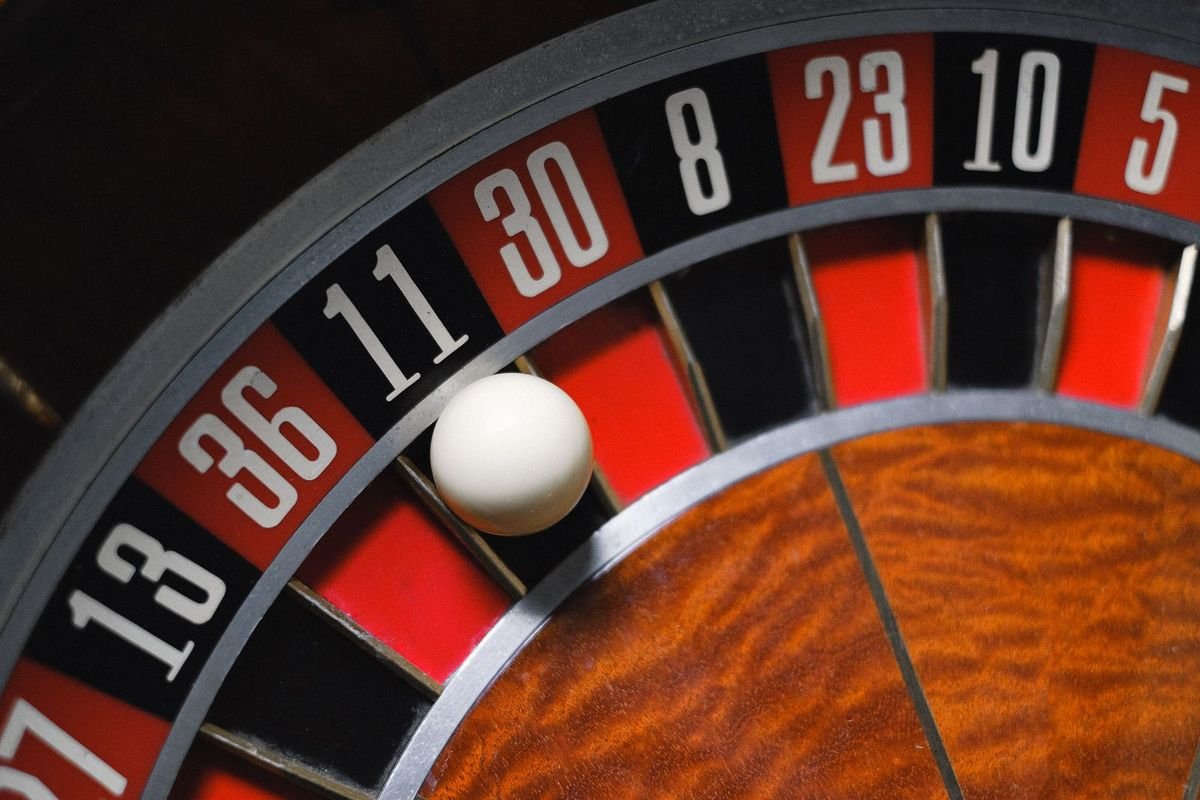
I have spent more evenings than I care to admit watching that little white ball bounce around a roulette wheel. Sometimes it landed exactly where I hoped. Most of the time, it did not. That is the honest starting point for any conversation about roulette strategy, and it is where this guide begins.
A roulette strategy is not a secret code that unlocks the wheel. It is a plan for how you place your bets, how much you stake, and when you walk away. A good plan can make your session more enjoyable and help you avoid reckless decisions. No plan, however, can change the mathematics built into the game itself.
If you are completely new to the game, start with the basics first — read this guide on how to play roulette for beginners before you worry about systems. Once you understand the bets, the strategies below will make a lot more sense.
Table of Contents
Roulette Strategy Basics: What a Strategy Can and Cannot Do
Every roulette strategy is really a betting pattern. It tells you whether to raise your stake after a loss, lower it after a win, or keep it exactly the same. What it cannot do is influence where the ball lands. Each spin is an independent event, and the wheel has no memory of what happened before.
This distinction matters because so much roulette advice blurs it. A system that looks clever on paper can feel like it is beating the game during a short winning run. That feeling is real, but it is not evidence. Over a long enough session, the built-in advantage of the casino reasserts itself, no matter how elegant the pattern looks.
So what can a strategy actually do for you? It can give your session structure. It can stop you from chasing losses in a panic or doubling your bets on a whim. It can help you decide in advance how much you are willing to risk and when you will stop. Those are genuinely useful things, and they are the real value of any system on this page.
The House Edge: European vs American Roulette
Before you pick any system, pick the right wheel. This single choice matters more than every betting pattern combined. A European wheel has one green zero, while an American wheel has both a zero and a double zero. That extra pocket nearly doubles the casino’s advantage.
The house edge on a European wheel is 2.7%. On an American wheel, it climbs to 5.26%. In plain terms, the casino expects to keep about 2.70 from every 100 wagered on the European version, and about 5.26 from every 100 on the American version, over the long run. You cannot feel that difference on a single spin, but across hundreds of spins it is the difference between a session that lasts and one that drains quickly.
This is also why no strategy can beat the game long-term. Every bet you place carries that same edge, regardless of how you size your stakes. You can rearrange when you win and lose, and you can change how dramatic the swings feel, but you cannot remove the edge itself. If a European table is available, always choose it over the American wheel.
For a deeper look at the mathematics behind the game, the explanations at Wizard of Odds are among the clearest and most authoritative you will find anywhere.
The Martingale System: Simple, Seductive, and Dangerous
The Martingale is the most famous roulette system in the world, and it is easy to see why. You bet on an even-money option such as red or black. If you lose, you double your stake. If you win, you recover all your previous losses plus a small profit equal to your original bet, and then you start again.
On paper, it looks foolproof. In practice, it runs into two hard walls. The first is your bankroll. A run of losing spins grows your required stake alarmingly fast: a modest starting bet can turn into a very large one after just a handful of consecutive losses. The second wall is the table limit, which caps how high you can go. Once you hit that ceiling, you can no longer double, and the whole recovery plan collapses.
I have seen players describe the Martingale as a safe way to grind out small wins. It is not safe. It trades many small wins for the occasional devastating loss, and that loss, when it comes, wipes out everything gained before it. The system does not beat the house edge; it simply concentrates your risk into rare but brutal moments.
The Fibonacci System: A Slower Climb With the Same Cliff
The Fibonacci system is based on the famous number sequence where each number is the sum of the two before it: 1, 1, 2, 3, 5, 8, and so on. After a loss, you move one step forward in the sequence and stake that many units. After a win, you move two steps back.
Compared with the Martingale, this approach raises your stakes more gently. A losing run still increases what you are betting, but not nearly as violently. That gentler climb is the main reason some players prefer it, and it does make a session feel calmer and more controlled.
The honest problem is the same one, just delayed. A long losing streak still pushes your stakes upward, and recovering from a deep hole still requires a run of wins. The house edge has not gone anywhere. Fibonacci is a less aggressive way to manage your bets, but it is not a way to overcome the mathematics of the wheel.
The D’Alembert System: The Cautious Cousin
The D’Alembert system is one of the gentlest progressive systems around. You start with a base stake on an even-money bet. After a loss, you increase your stake by one unit. After a win, you decrease it by one unit. That is the whole system, and its simplicity is part of its appeal.
Because stakes rise slowly, your bankroll tends to last longer than it would under the Martingale. Sessions feel steadier, and the emotional rollercoaster is much flatter. For a casual player who simply wants a structured way to play without wild swings, that steadiness has genuine value.
But steadiness is not profitability. The D’Alembert still assumes that wins and losses will roughly balance out over time, and while they often do in the short term, the zero pockets quietly tilt the balance toward the house. You can enjoy long, calm sessions with this system, but you should not expect it to turn a profit over time.
The James Bond Strategy: Flat Betting in a Fancy Suit
The James Bond strategy sounds glamorous, and it is often sold as a sophisticated way to cover the wheel. You place a fixed combination of bets on each spin: a large stake on the high numbers, a smaller stake on a middle range, and a small stake on zero as insurance. The idea is that most outcomes return something, so you rarely walk away empty-handed.
What is rarely mentioned is that this is essentially flat betting with extra steps. You stake the same total amount on every spin, and the combination simply spreads that stake across different parts of the wheel. Some spins return a profit, some return part of your stake, and some lose everything. The overall expectation is still negative, because every part of the combination carries the house edge.
There is nothing wrong with playing this way if you enjoy the coverage and the frequent small returns. Just do not mistake coverage for safety. Losing spins still happen, and a bad run still eats into your bankroll. The tuxedo does not change the odds.
Flat Betting: The Boring Strategy That Deserves More Respect
Flat betting means staking the same amount on every spin, no matter what happened before. There is no progression, no recovery plan, and no drama. For that reason, it rarely gets the attention that flashier systems receive. In my view, it deserves far more respect than it gets.
The great strength of flat betting is predictability. You know exactly how much you are risking per spin, so you can calculate how long your bankroll should last. There is no moment where a losing streak suddenly demands a huge stake, and there is no table limit waiting to trap you. Your session stays calm, and your decisions stay rational.
Flat betting will not make you rich, and nobody honest would claim otherwise. What it does is protect you from the worst failure mode of every progressive system: the sudden, bankroll-destroying spike. If your goal is to enjoy the game for as long as possible on a fixed budget, flat betting is arguably the most sensible approach of all.
Bankroll and Session Discipline: The Only Edge You Control
If there is one part of roulette strategy that genuinely improves your results, it is discipline. Decide before you sit down how much you are willing to lose, and treat that figure as final. Decide also on a win goal — a point at which you will stop and enjoy the profit rather than giving it all back.
Session discipline also means setting a time limit. Roulette is designed to be absorbing, and long sessions blur judgment. Short, planned sessions with breaks in between keep your decisions sharper and your spending intentional. Walking away while you are ahead is not weakness; it is the only way a winning session stays a winning session.
Never chase losses. This is the rule that matters most, because chasing is how small losses become large ones. If your session budget is gone, the session is over. No system, no hunch, and no feeling about the wheel justifies staking money you had already decided not to risk.
Strategy vs Superstition: Knowing the Difference
Roulette attracts superstition like few other games. Lucky numbers, hot and cold numbers, dealers who supposedly spin a certain way, and patterns in past results all get treated as meaningful signals. It is easy to understand why: the human brain is wired to find patterns, even in randomness.
Here is the uncomfortable truth. Past spins tell you nothing about future spins. A number that has appeared several times recently is no more or less likely to appear next. A table that has shown red five times in a row is not due to show black. Believing otherwise is the gambler’s fallacy, and it has cost countless players far more than any betting system.
A real strategy is a plan you can explain and measure: how much you stake, when you adjust, and when you stop. A superstition is a belief you cannot test, and it usually leads to larger, more emotional bets. Keep the two separate, and you will already be playing more wisely than most people at the table.
Frequently Asked Questions
Does any roulette strategy guarantee a win?
No, and you should distrust anyone who claims otherwise. Every roulette bet carries a house edge, so no pattern of stakes can guarantee a profit. Strategies can manage your bankroll and shape your session, but they cannot remove the casino’s mathematical advantage.
Is the Martingale system a good strategy for beginners?
It is simple to understand, but it is risky for beginners precisely because it feels safe. Small wins come easily at first, which builds false confidence, until a losing streak demands stakes far beyond a beginner’s budget or the table limit. Beginners are better served by flat betting and strict session limits.
Should I play European or American roulette?
Always choose European roulette when you have the choice. The single zero gives a house edge of 2.7%, compared with 5.26% on the American wheel with its extra double zero. That difference alone matters more than any betting system you might use.
Do hot and cold numbers actually mean anything?
No. Each spin is independent, and the wheel has no memory of previous results. A number that has appeared often recently has the same chance of appearing next as any other number. Tracking hot and cold numbers can be fun, but it should never guide how much you stake.
What is the safest way to play roulette?
The safest approach is flat betting on a European wheel with a fixed session budget and a firm stop point. Bet the same modest amount each spin, decide in advance when you will walk away, and never chase losses. This will not beat the house edge, but it gives you the longest, calmest session for your money.
So what actually works in roulette? Choosing the European wheel works. Flat betting works, in the sense that it keeps your risk predictable and your session enjoyable. Setting a budget, a win goal, and a time limit works — these are the disciplines that protect you from the game’s real danger, which is not the wheel itself but your own decisions under pressure.
What definitely does not work is any promise of guaranteed profit. The Martingale, Fibonacci, D’Alembert, and James Bond systems are all interesting ways to structure your bets, and none of them changes the underlying odds. Play them if you enjoy them, but play them with open eyes and a budget you can afford to lose.
Roulette is at its best when it is entertainment: a social, suspenseful game where a small stake buys a genuine thrill. Keep it that way. Enjoy the spin, respect the mathematics, and walk away while you are still smiling.
Gamble responsibly. 18+ only.